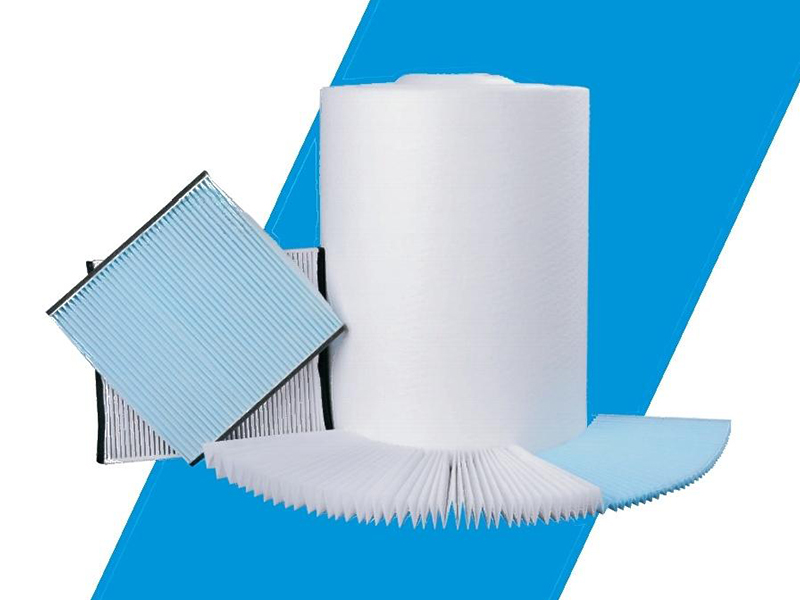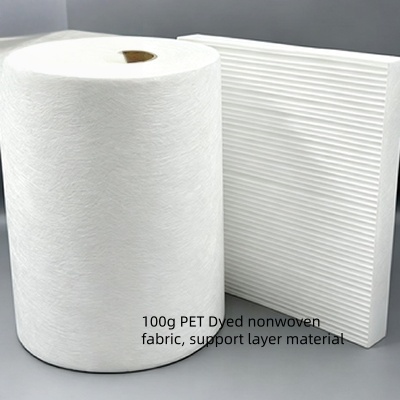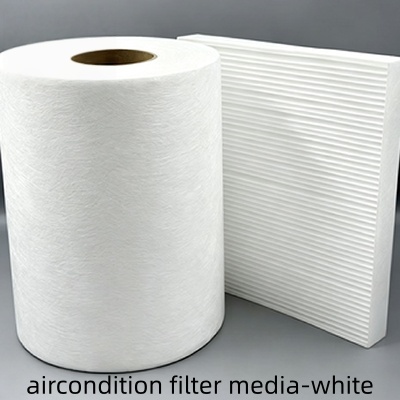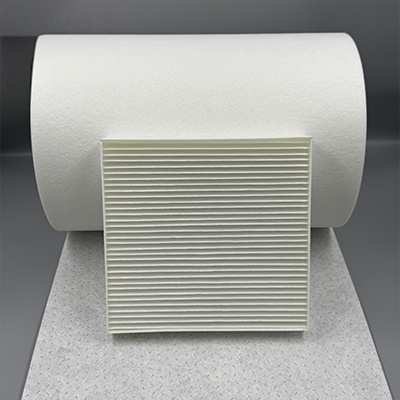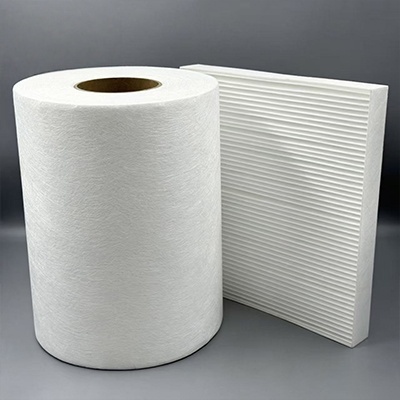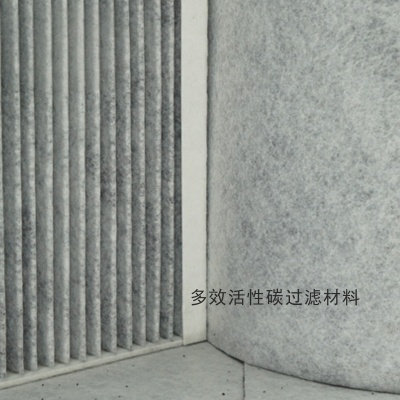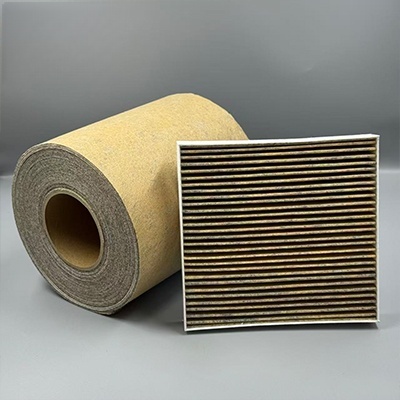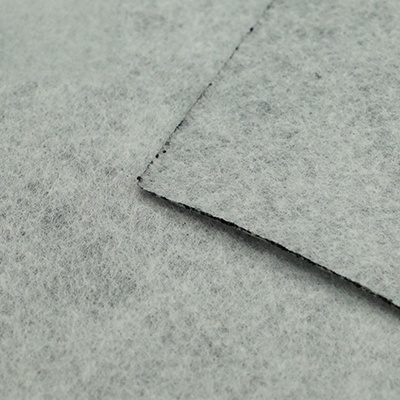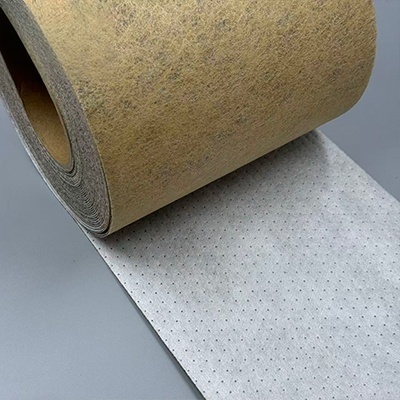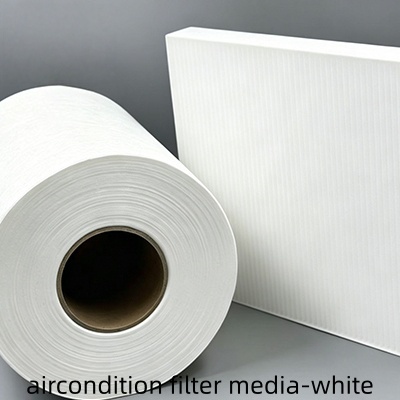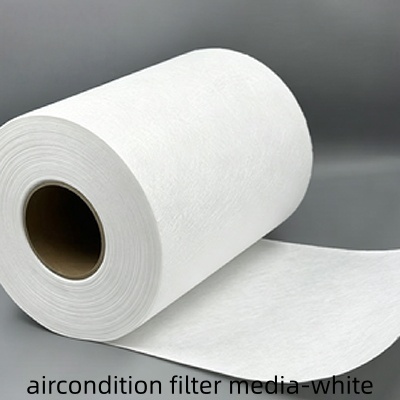

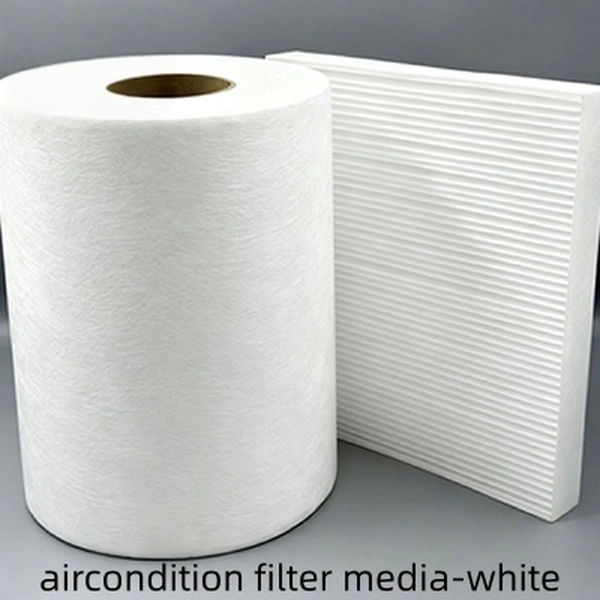
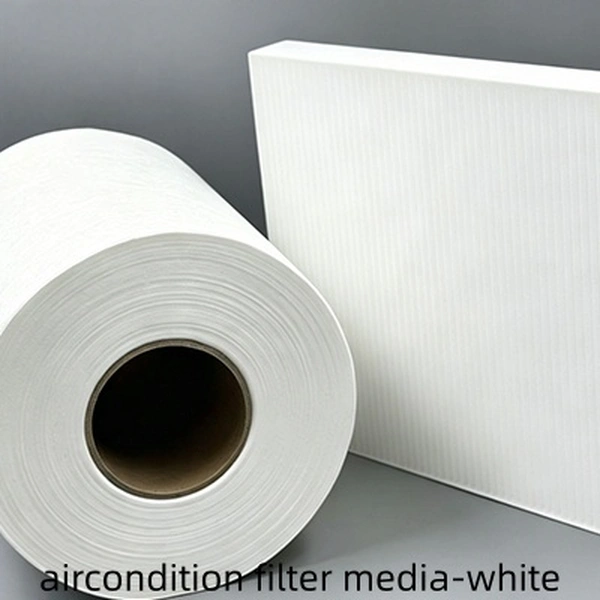
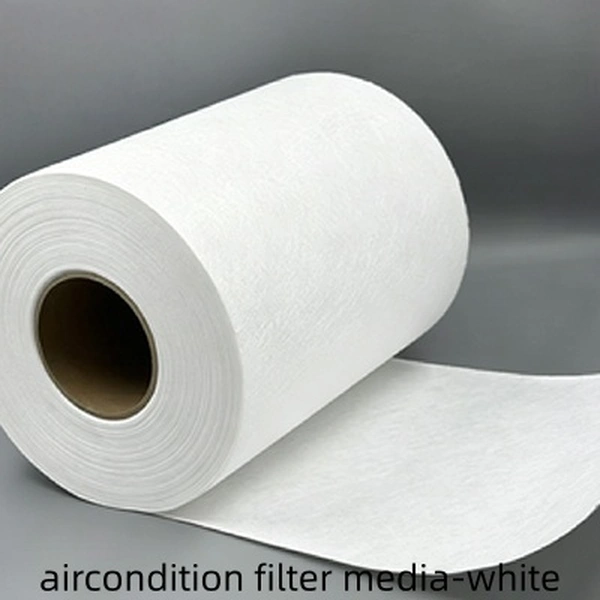
First section (Core: Basic physics and molding properties, adapted for mass production of automotive air conditioning filters)
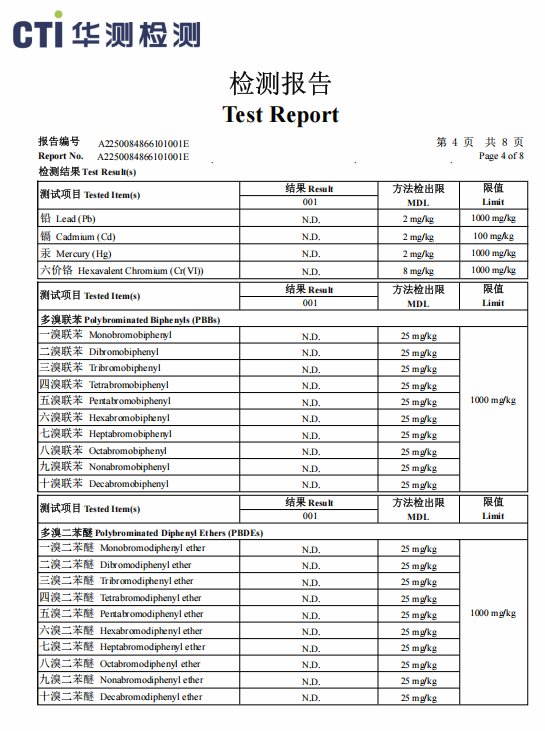
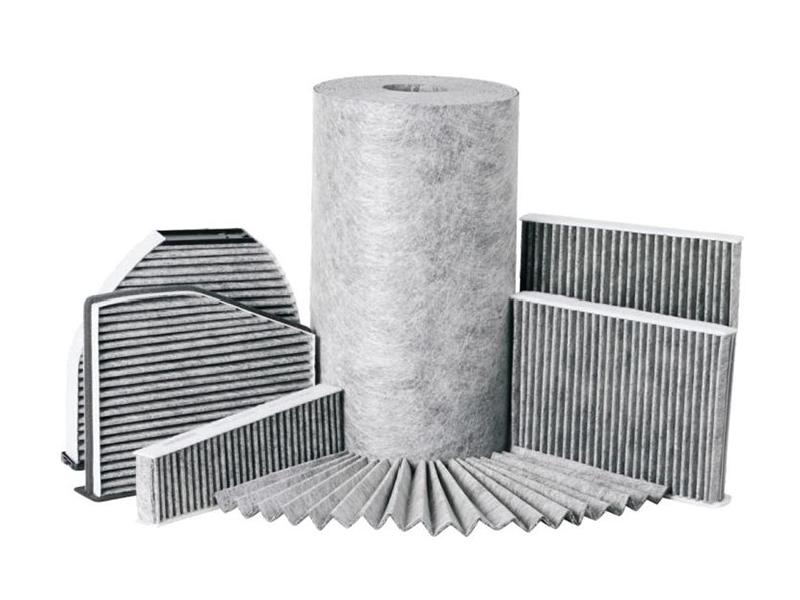
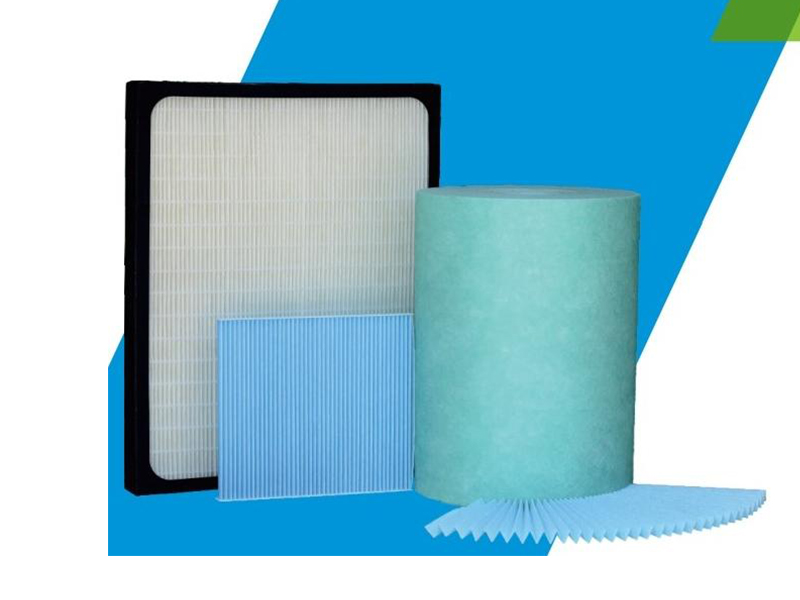
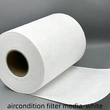
This primary PET filter material, with its uniform weight and thickness, creates a stable substrate morphology. During automated processes such as cutting, folding, and winding in automotive air conditioning filter production workshops, the material is less prone to stretching deformation, fuzzing, or dimensional deviations. It can adapt to the processing rhythm of high-speed production lines, ensuring the consistency of the finished filter. Filters made from this material can be used in the air conditioning intake systems of various passenger cars and urban SUVs, reducing the burden on subsequent filtration layers from the source and preventing large particles such as leaves and sand from directly entering the air conditioning ducts, thus reducing fan wear and the risk of duct blockage.
Customization: Customized materials: All properties of the materials, as well as specifications such as weight and thickness, can be customized to meet specific needs.
The second section (core: breathability and low resistance, balancing primary filtration and air conditioning efficiency)
Leveraging the high breathability of PET material, this material effectively intercepts large particles while maintaining excellent performance in terms of low wind resistance and high air permeability. When installed in a vehicle, it does not impose additional operating load on the car's air conditioning fan, effectively avoiding problems such as reduced airflow and uneven air distribution, ensuring that the air conditioning's cooling and heating efficiency remains unaffected. These pre-filters are manufactured in factories suitable for various driving scenarios, including urban commuting and suburban driving, and are especially suitable for vehicles frequently driven on unpaved roads and dusty sections, providing reliable air intake protection without compromising driving comfort.
The third stage (core: primary filtration performance, accurately intercepting large particulate impurities in the vehicle environment).
As a pre-filter material, this PET non-woven fabric effectively intercepts large pollutants such as leaf debris, sand particles, and hair lint from the air intake of vehicle air conditioning systems, reducing the amount of these impurities entering the system. Its three-dimensional fiber structure forms a stable physical barrier, making it difficult for large particles to penetrate quickly, while also slowing down filter clogging and extending its effective lifespan. Automotive air conditioning filter manufacturers manufacture products from this fabric, making it particularly suitable as a base filter for economy cars or as a pre-filter layer in medium- to high-efficiency filters, providing a reliable line of defense for in-vehicle air purification.
The fourth section (Core: Material and scenario adaptation to create a cost-effective primary filtration solution for automotive air conditioning)
This PET filter material, with its wear-resistant, tear-resistant, and moisture-resistant properties, is well-suited to the complex operating conditions of automotive air conditioning intake systems. Even when exposed to rain, sandstorms, and other impacts, it maintains stable filtration performance and is resistant to damage and collapse. Automotive parts suppliers and automotive accessory manufacturers using this material can comprehensively meet the needs of both new car parts and aftermarket replacements, helping customers create cost-effective filter products suitable for budget-conscious and lower-tier markets. This also reduces long-term vehicle maintenance costs for end users, making it the preferred material for primary filtration in automotive air conditioning systems.