
The first section (Core: Basic physics and process adaptation to create a stable base for ultrasonic composite filters)
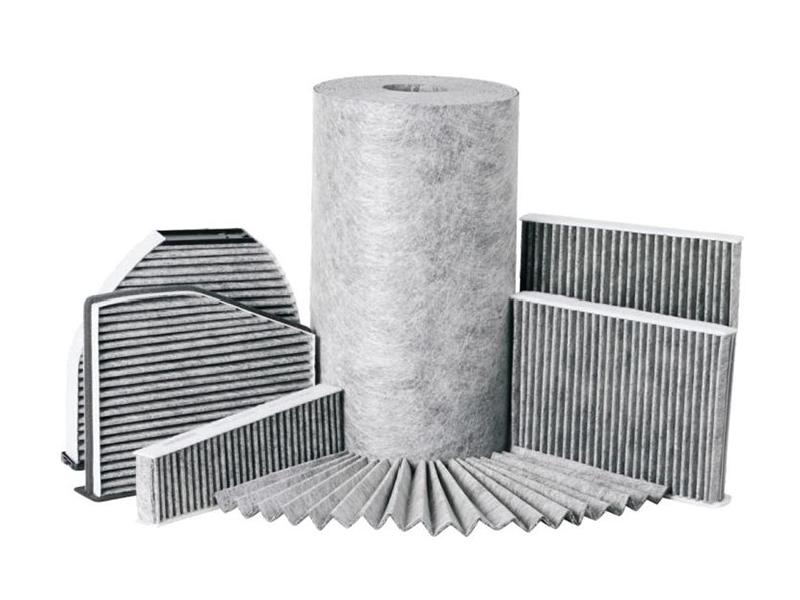
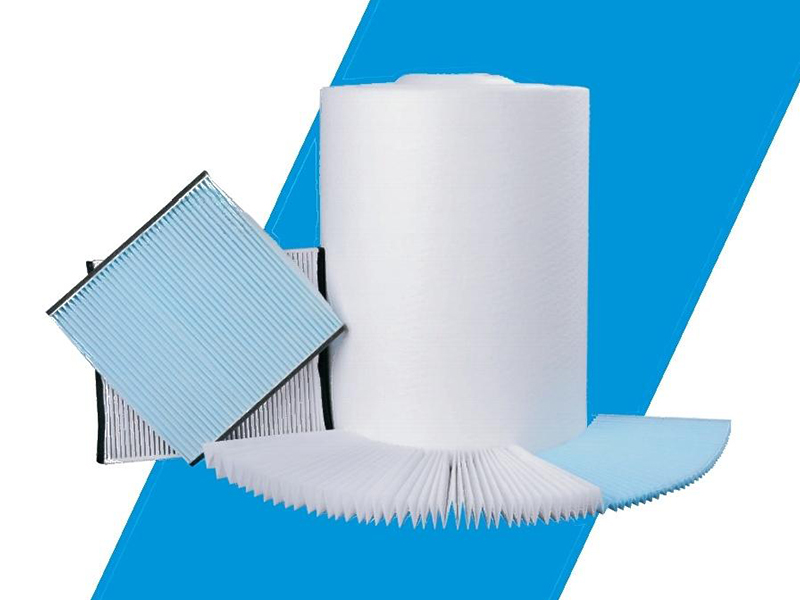
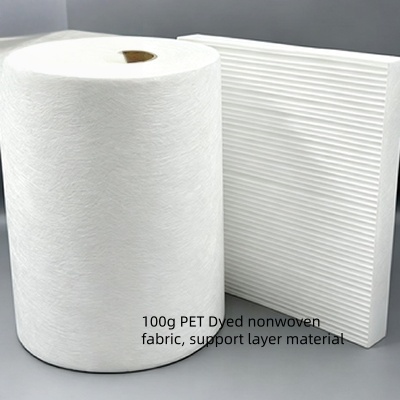
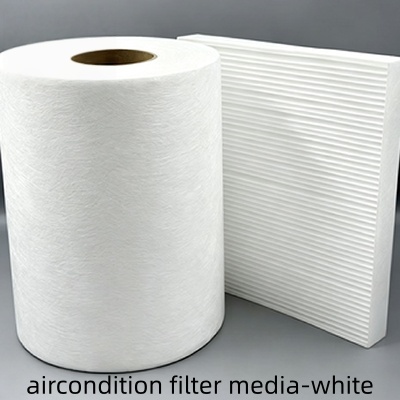
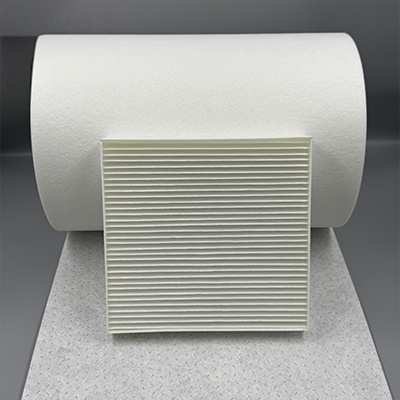
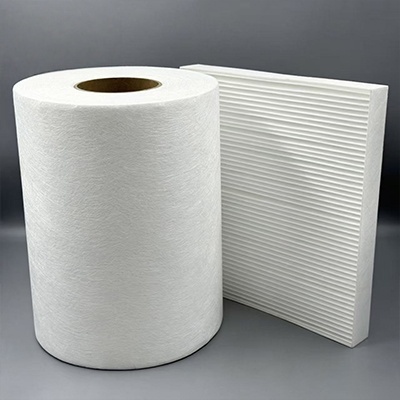
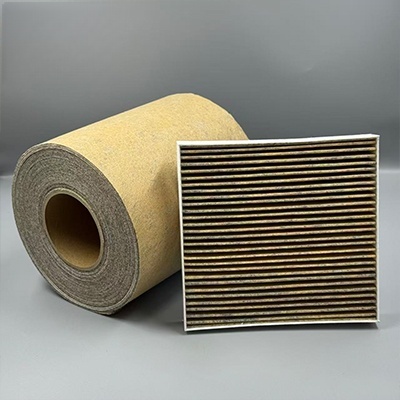
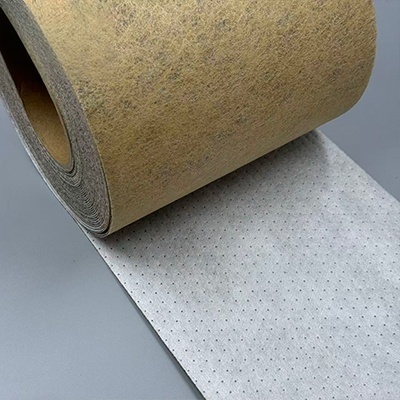
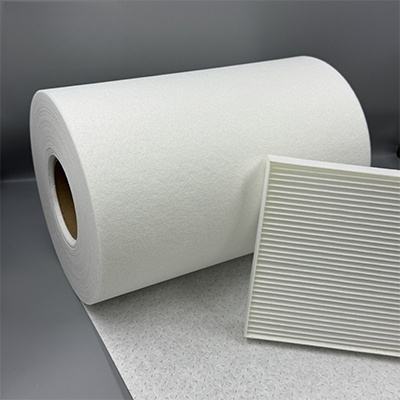
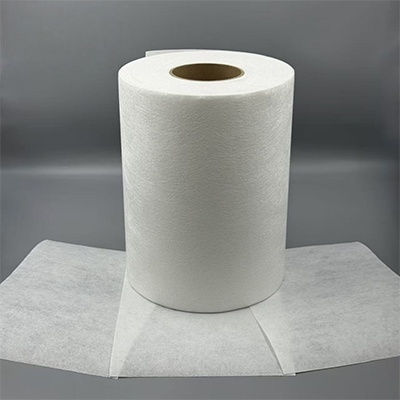
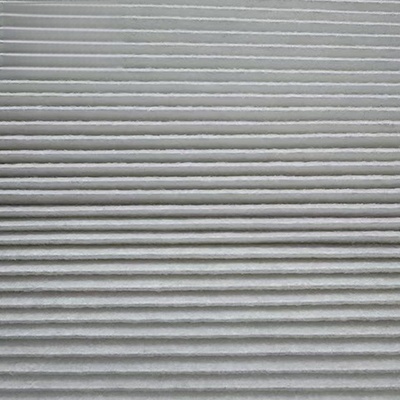
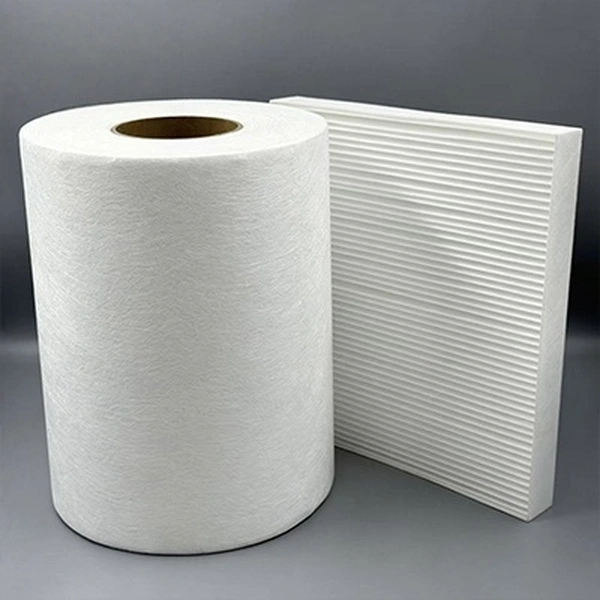
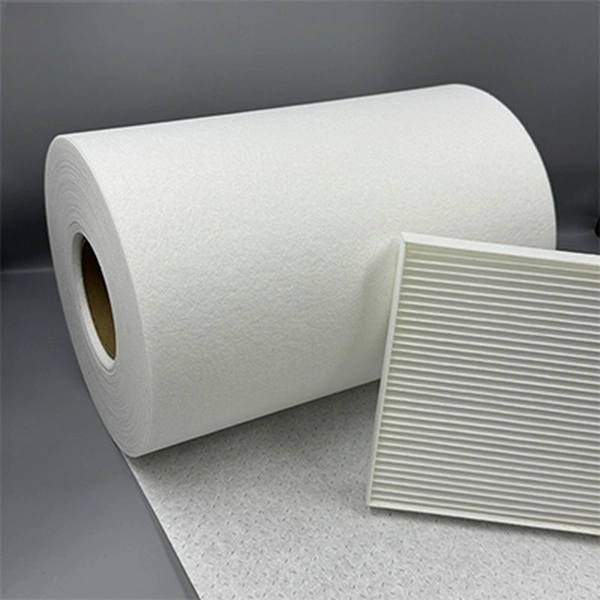
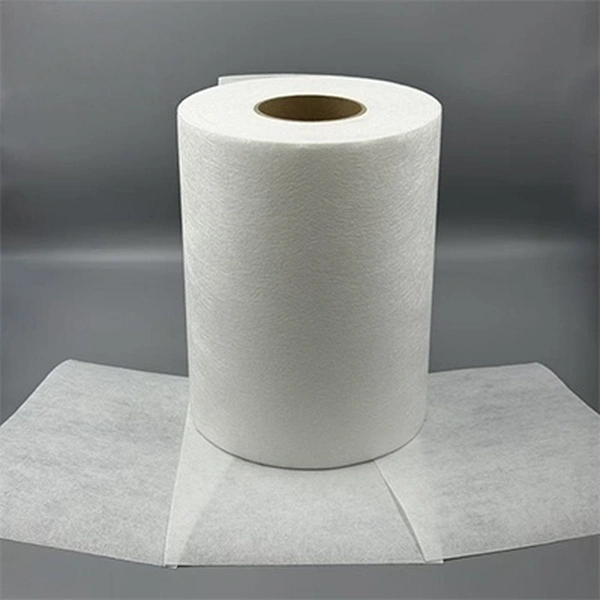
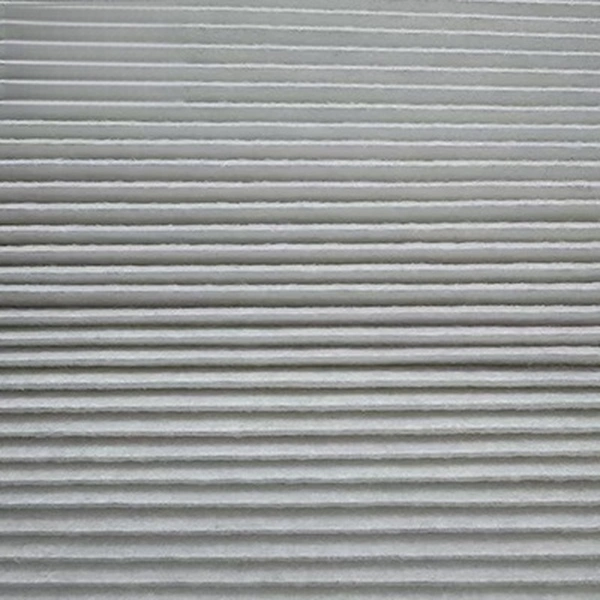
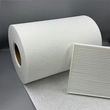
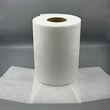
This automotive air conditioning filter uses a perforated cloth with a basis weight of 125±13 g/㎡ and a thickness of 0.8±0.2 mm to create a uniform and dense substrate, suitable for the processing requirements of ultrasonic composite piezoelectric technology. During the pressing, cutting, and pleating processes in the automotive air conditioning filter production workshop, the material thickness is stable and the basis weight is uniform, making it less prone to delamination, wrinkling, or dimensional deviations. It can efficiently adapt to the high-frequency pressing process of ultrasonic equipment, ensuring the structural consistency and processing yield of the composite filter. Filters made from this material can be used in the air conditioning filtration systems of various passenger cars and urban SUVs. The substrate layer ensures that the filter's filtration effect will not be affected by loosening of the composite layer during long-term use, providing reliable structural support for subsequent functional layers.
Customization: Customized materials: All properties of the materials, as well as specifications such as weight and thickness, can be customized to meet specific needs.
The second section (core: low wind resistance and high air permeability, balancing filtration efficiency and air conditioning delivery experience)
Leveraging a combination of performance characteristics—wind resistance ≤6 Pa and air permeability ≥1200 L/m²・S—this material achieves a precise balance between filtration function and air delivery efficiency. Through ultrasonic composite technology, the material's airflow channels remain unobstructed. After installation in a vehicle, its low wind resistance characteristics do not impose additional operating load on the car's air conditioning fan, effectively avoiding issues such as airflow reduction, uneven airflow temperature, and slower air conditioning cooling and heating. The high air permeability ensures efficient air circulation within the vehicle, allowing for more even and rapid temperature regulation, maintaining a comfortable airflow environment even during prolonged air conditioning use. The finished products produced by this filter manufacturing plant are suitable for various driving scenarios, including urban commuting, long-distance driving, and highway driving. They are particularly suitable for frequently used family cars and ride-hailing vehicles, providing stable in-car air purification support without compromising driving comfort.
The third section (core focus: filtration efficiency and safety performance, balancing purification effectiveness with in-vehicle safety)
With a comprehensive performance of filtration efficiency ≥70%, flame retardancy ≤70%, and odor density (N≤3), this material provides reliable purification and safety assurance for automotive air conditioning filters. Its filtration performance effectively intercepts suspended impurities such as PM2.5, road dust, and exhaust particles, improving the cleanliness of the air inside the vehicle. Its flame-retardant properties meet automotive safety standards, reducing safety hazards under high-temperature conditions. The low-odor characteristic prevents the filter material from releasing irritating odors in the closed cabin, ensuring the breathing comfort of passengers. The finished products manufactured by automotive air conditioning filter OEMs are suitable for air conditioning systems of various vehicle models, especially suitable for mid-to-high-end models with certain requirements for air cleanliness and safety, creating a healthy and safe in-car breathing environment for passengers.
The fourth section (Core: Process adaptation and market coverage, facilitating the multi-scenario application of ultrasonic composite filters)
This material's comprehensive performance and process adaptability fully cover the diverse production needs of automotive air conditioning filters: for OEM filters using ultrasonic composite piezoelectric technology, it can consistently meet the purification and safety standards of new vehicles; for aftermarket replacement filters, its excellent ease of processing helps manufacturers effectively control production costs and improve capacity efficiency. Finished products produced using this material by automotive parts suppliers and automotive accessory manufacturers can comprehensively cover multiple application scenarios, including new car parts and aftermarket replacements, helping customers create highly competitive filter products suitable for the mid-to-high-end market. Simultaneously, it simplifies supply chain management processes, achieving dual optimization of quality and cost, making it the preferred substrate for ultrasonic composite process automotive air conditioning filters.