
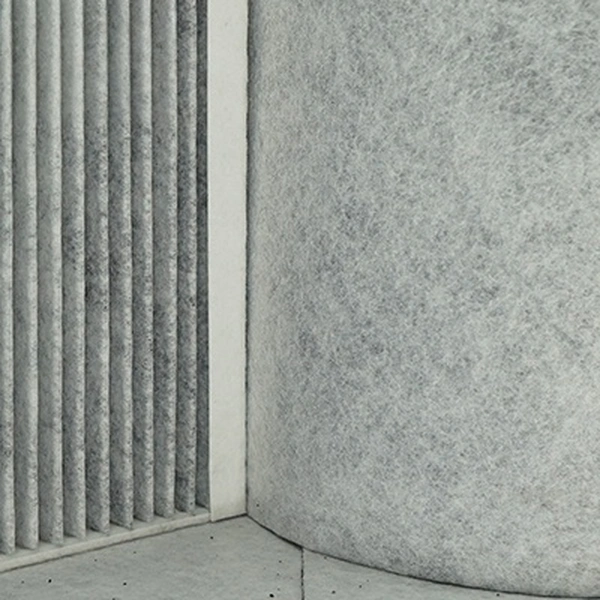
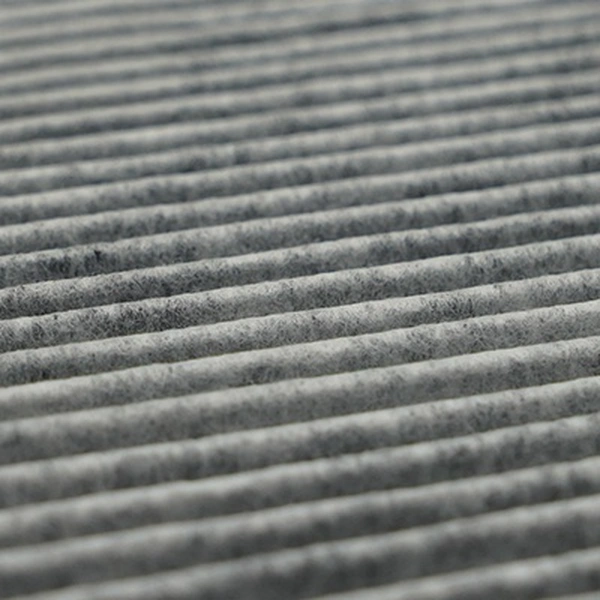


I. High-weight, thick substrate, 3D molding process suitable for automotive air conditioning filters
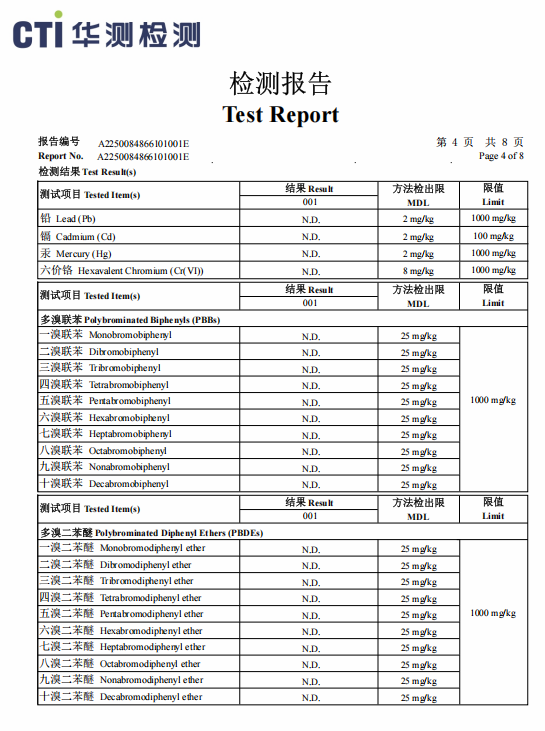
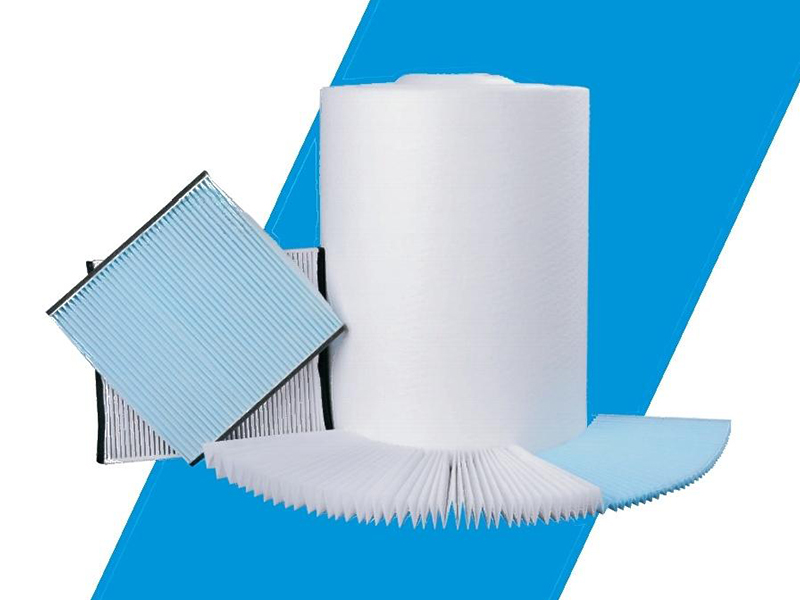
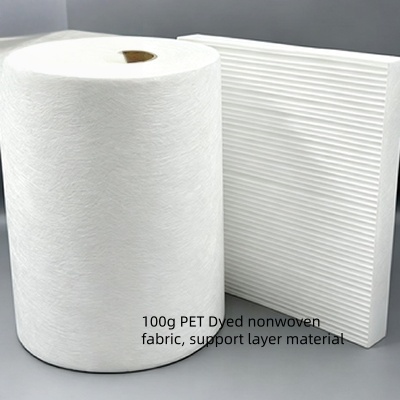
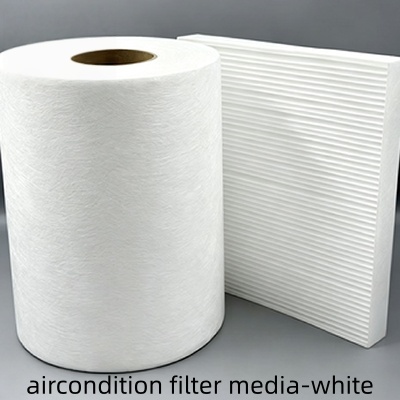
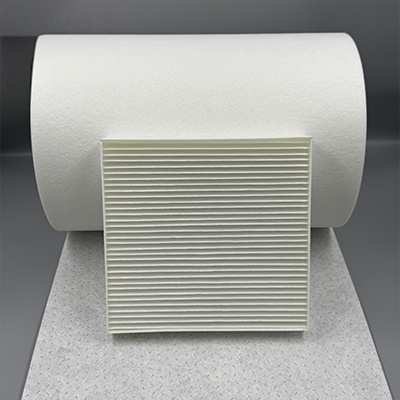
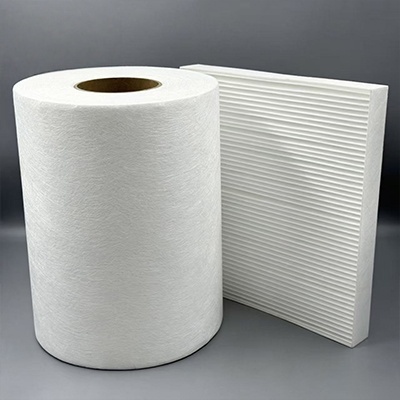
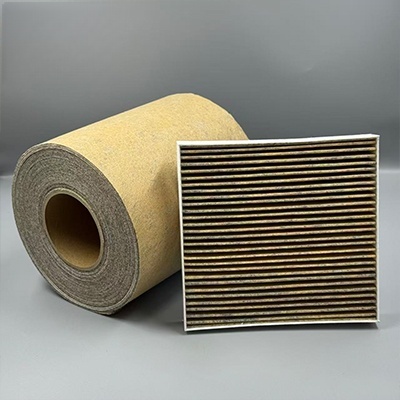
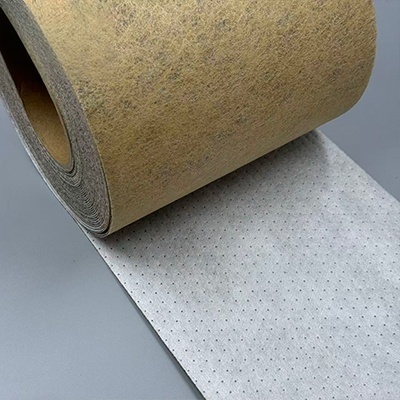
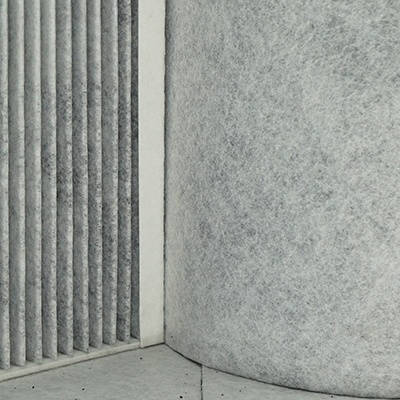
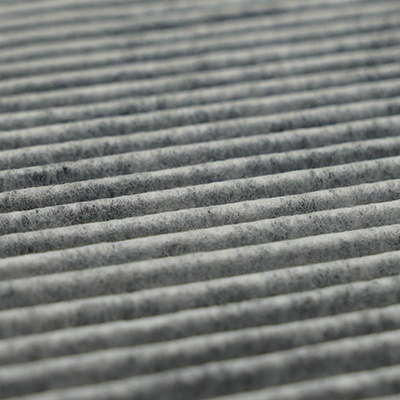
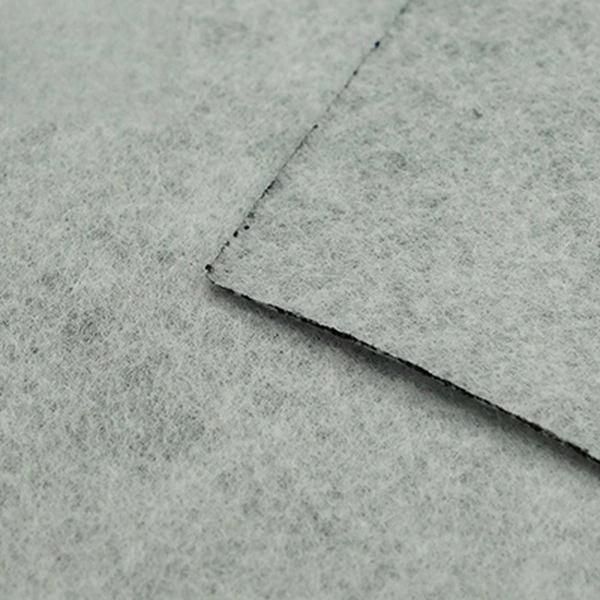
This carbon fiber reinforced cloth, with a basis weight of 500±10% g/㎡ and a thickness of 2.0±0.2 mm, creates a thick and dense substrate, optimized for the pleating, lamination, and molding processes of automotive air conditioning filters. Its robust structure provides excellent stiffness and shape retention, ensuring smooth cutting, non-springback folding, and non-delamination during automated equipment in filter production. This stable maintenance of the filter's three-dimensional pleated structure significantly improves production yield.
The filter elements manufactured by downstream factories can be widely used in the air conditioning systems of mid-to-high-end family cars, SUVs and commercial vehicles. The thick base material provides ample load space for activated carbon, while ensuring that the filter element is not prone to collapse or deformation during long-term use, providing a stable and reliable filtration substrate for the whole vehicle air conditioning system.
Customization: Customized materials: All properties of the materials, as well as specifications such as weight and thickness, can be customized to meet specific needs.
II. Low air resistance and high air permeability, balancing activated carbon load and air conditioning supply efficiency.
With a wind resistance of ≤5 Pa and an air permeability of ≥1500 L/㎡・S, this carbon-reinforced cloth maintains excellent airflow performance while carrying activated carbon. The extremely low wind resistance will not put extra burden on the car's air conditioning fan, effectively avoiding problems such as airflow reduction and uneven air distribution; the high air permeability ensures efficient air circulation inside the vehicle, making the air conditioning cool and heat more evenly and quickly.
The filter element made of this material is suitable for various driving scenarios such as urban commuting, long-distance driving, and use in the closed environment of the car. It is especially suitable for mid-to-high-end models with high requirements for air conditioning experience, providing stable circulation and purification support for the air in the car without affecting the driving and riding comfort.
III. The carbon-filled composite structure achieves dual functions of physical filtration and odor adsorption.
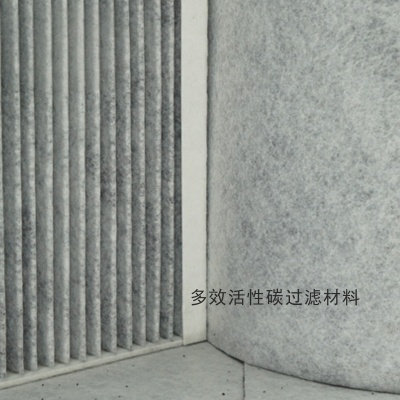
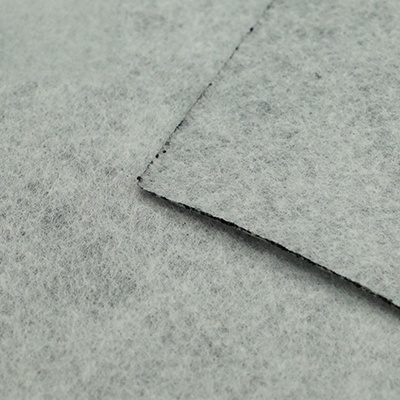
As a carbon-reinforced cloth material, its core advantage lies in the activated carbon particles loaded inside the substrate. These particles can efficiently adsorb harmful gases such as odors, formaldehyde, and VOCs in the vehicle. Combined with the physical interception effect of the substrate, it achieves dual purification of the air inside the vehicle. The thick structure ensures that the activated carbon is evenly distributed, making it less prone to falling off or pulverizing, thus avoiding secondary pollution to the air conditioning ducts.
The finished products manufactured by automotive air conditioning filter OEMs are particularly suitable for mid-to-high-end models with high requirements for in-vehicle air quality and odor control, such as commercial vehicles, ride-hailing vehicles, and family cars. They can effectively remove air conditioning odors, new car odors, and exhaust odors, creating a fresh and comfortable in-vehicle environment for drivers and passengers.
IV. Comprehensive performance compatibility helps boost market coverage of mid-to-high-end automotive air conditioning filters.
The comprehensive performance of this carbon-coated cloth can fully cover the production needs of mid-to-high-end automotive air conditioning filters: for activated carbon filters supplied to OEMs, it can meet the high standards of purification and adsorption requirements of new cars with stable quality; for upgraded replacement filters in the aftermarket, its excellent easy-to-process characteristics can help manufacturers create differentiated products and enhance market competitiveness.
Automotive parts suppliers and automotive product manufacturers using this material can produce finished products that comprehensively cover multiple scenarios, including mid-to-high-end new car parts and after-sales upgrades and replacements for existing vehicles. This helps customers accurately enter the mid-to-high-end filter market and achieve triple optimization of quality, performance, and experience, making it the preferred base material for mid-to-high-end automotive air conditioning activated carbon filters.