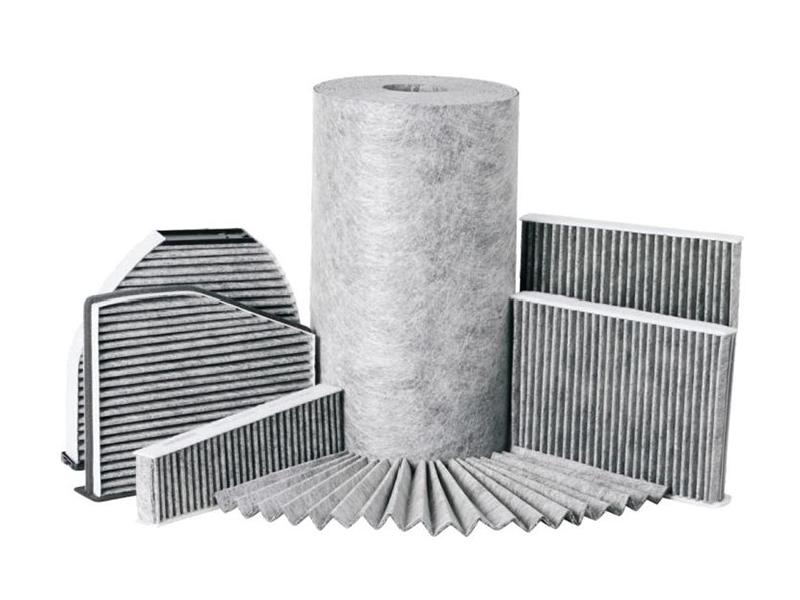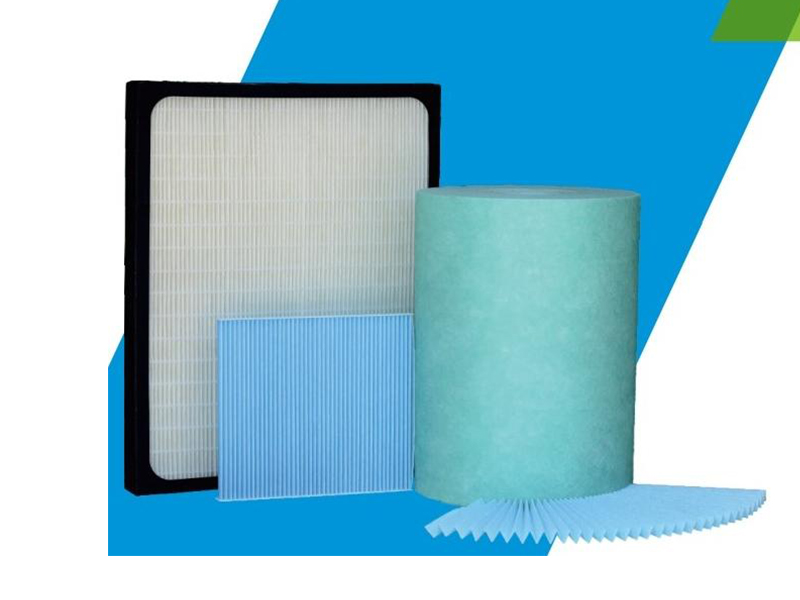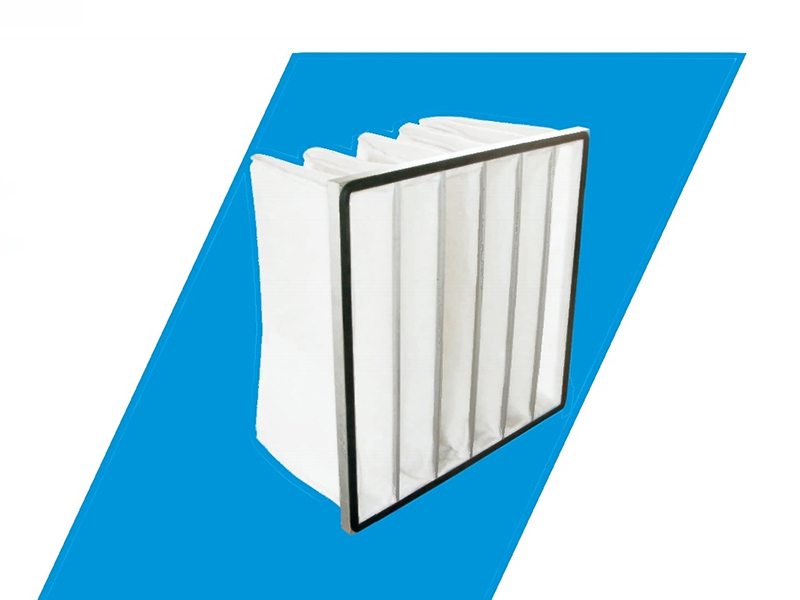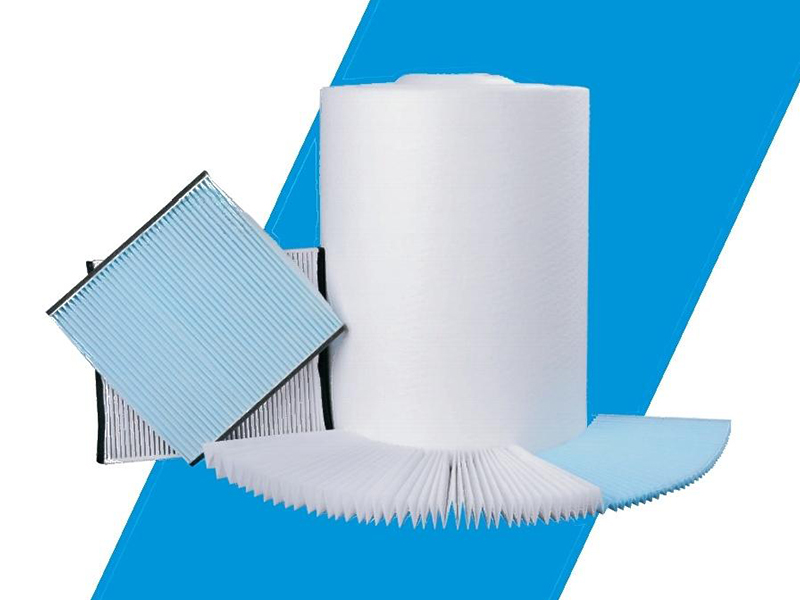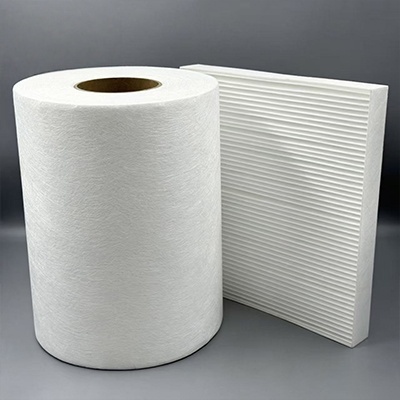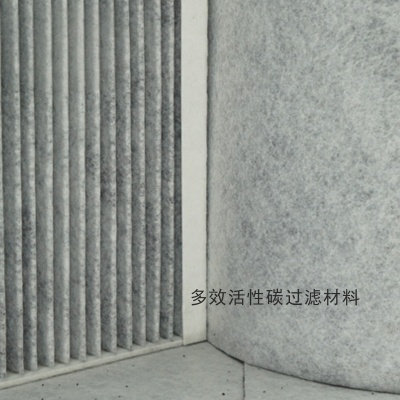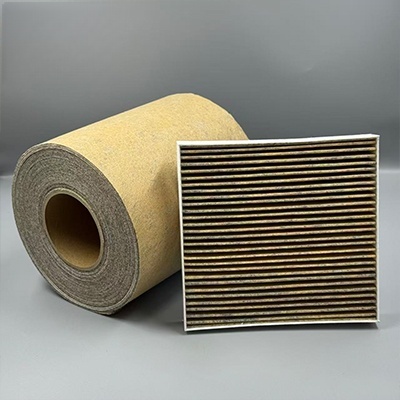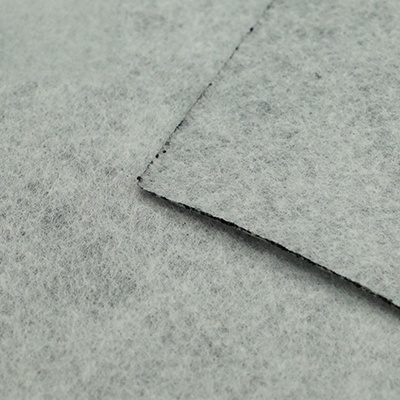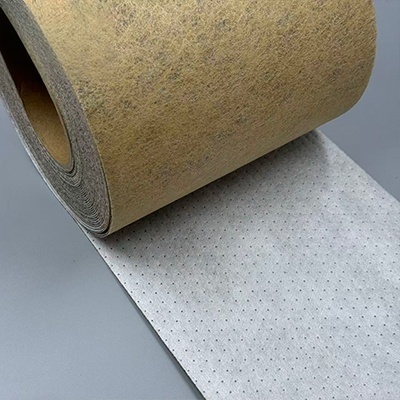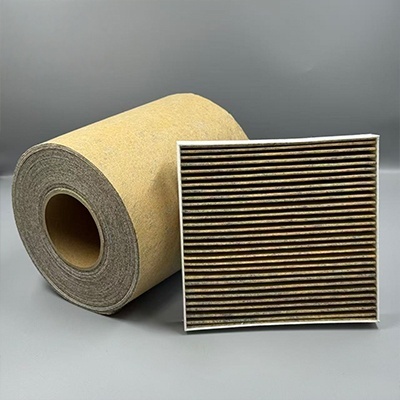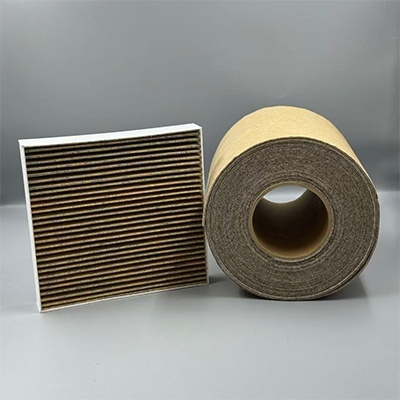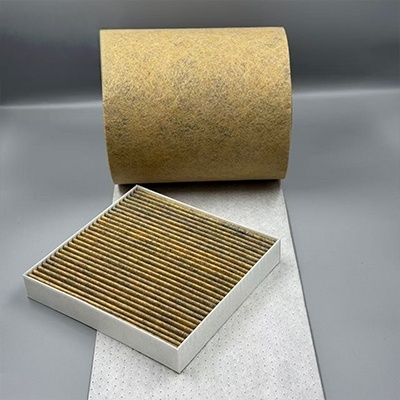

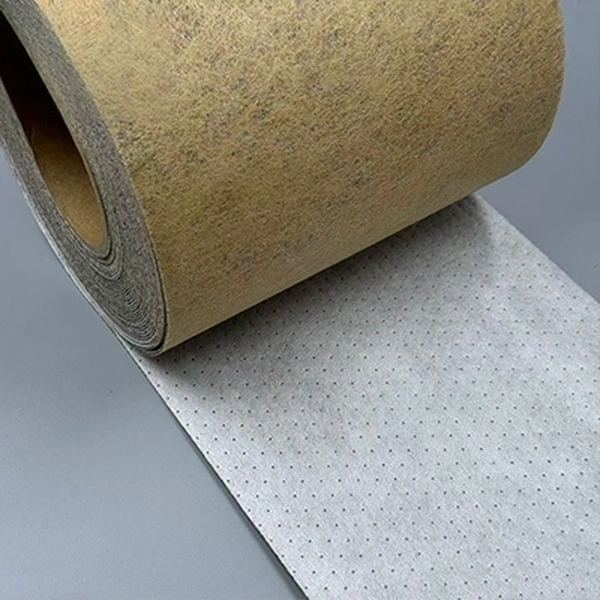
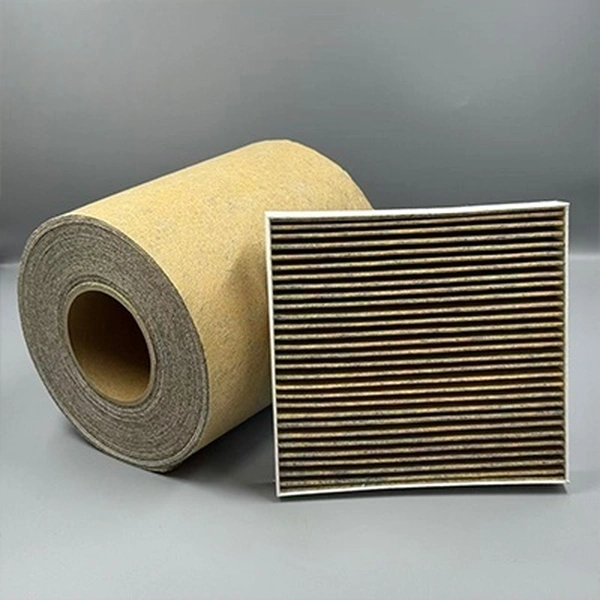
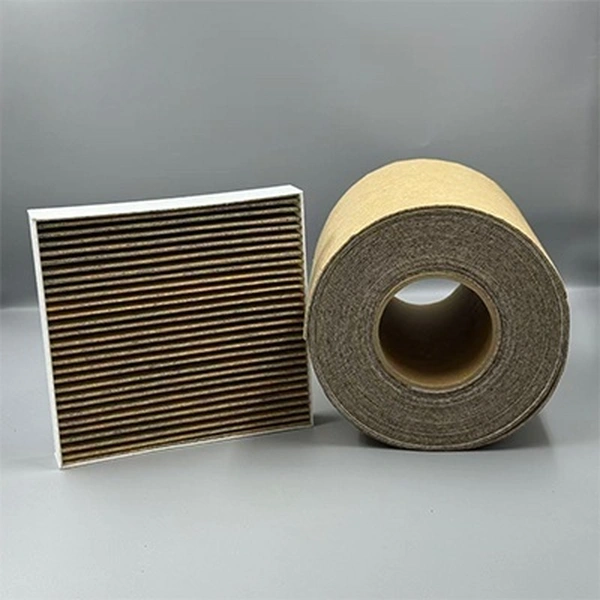
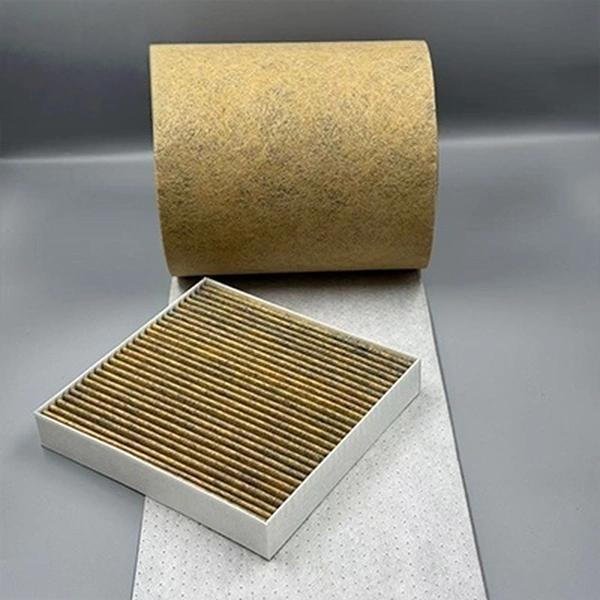
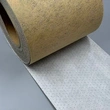
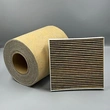
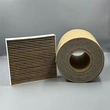
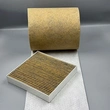
Firstly: a stable and balanced physical substrate, suitable for mass production of automotive filter elements of all specifications.
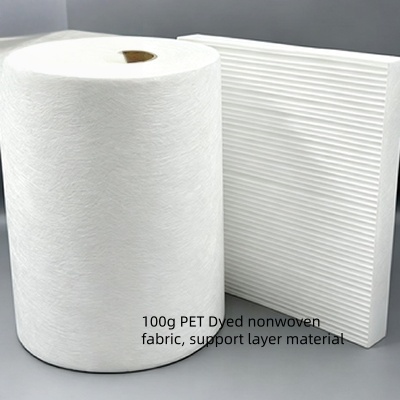
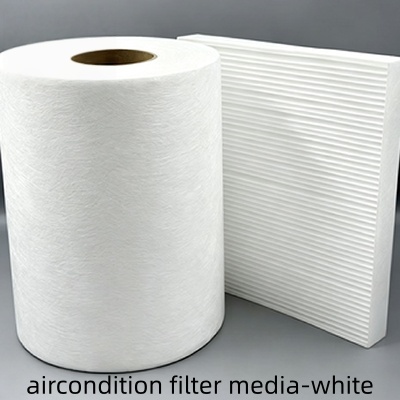
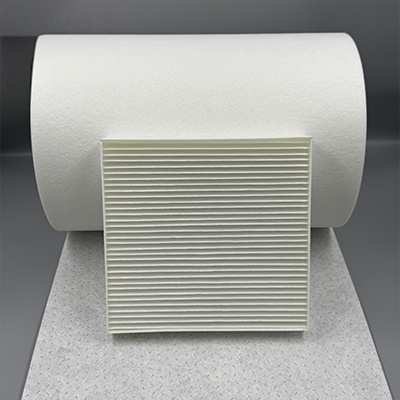
This multi-functional carbon cloth features a one-piece molded structure with a weight of 350±10% g/㎡ and a thickness of 1.4±0.2mm. The intake-side skeleton layer is firmly fixed, and the thickness fluctuation of the entire roll is minimal. In the entire process of pleating, die-cutting, and composite packaging in automotive filter manufacturing plants, the fabric is resistant to carbon powder shedding, does not delaminate, and maintains its shape well with creases. It is compatible with both small semi-automatic pleating equipment and high-speed fully automatic production lines, effectively reducing raw material loss. The finished product processed by the filter manufacturer is suitable for the air conditioning ducts of most vehicle types, including compact cars, mid-size family sedans, urban SUVs, and commercial MPVs. The thick substrate supports the high-density pleats, preventing the filter material from collapsing under the long-term wind pressure impact of vehicle driving, thus continuously maintaining sufficient filtration and adsorption space.
Customization: Customized materials: All properties of the materials, as well as specifications such as weight and thickness, can be customized to meet specific needs.
Second section: Low resistance and high transparency ratio, balancing powerful purification with comfortable in-car airflow.
The product meets the flow standards of ≤12Pa wind resistance and ≥1000L/㎡・S air permeability. With a multi-layered structure integrating electrostatic filter layer, activated carbon layer, and antibacterial functional layer, it strictly controls airflow resistance. When installed as a filter element in a vehicle, it will not increase the load on the air conditioning blower, and will not cause problems such as reduced airflow from the vents or slower temperature/cooling adjustments. High air permeability accelerates air circulation inside the vehicle, maintaining smooth airflow even in enclosed spaces with prolonged air conditioning use. The finished product is suitable for diverse driving scenarios, including dusty commutes in suburban areas, congested urban roads, long-distance driving, and outdoor parking under direct sunlight. It is suitable for long-term, high-frequency use in ride-hailing vehicles, family cars, and multi-person family vehicles.
Third section: Electrostatic filtration + broad-spectrum antibacterial dual function, building a healthy air barrier inside the vehicle.
The material boasts a stable filtration efficiency of ≥80%, effectively capturing 0.3μm fine particles through its built-in electrostatic fiber layer, intercepting suspended pollutants such as PM2.5, exhaust dust, pollen, and lint. Simultaneously, it achieves a 99% antibacterial rate against Escherichia coli, Staphylococcus aureus, Pseudomonas aeruginosa, and Klebsiella pneumoniae, inhibiting bacterial growth in humid environments. Combined with a carbon layer, it simultaneously adsorbs odors from the vehicle interior, pungent exhaust smells, and musty odors from the air conditioning system. The finished product from the filter manufacturer is particularly suitable for use in humid and rainy areas, during spring and autumn pollen seasons, and in cities prone to smog, providing a clean and sterile in-vehicle breathing environment for the elderly, children, and those with respiratory sensitivities.
Fourth paragraph: Multifunctional integrated raw materials help factories create differentiated mid-to-high-end filter product lines.
Combining physical shaping, low air resistance, high filtration efficiency, broad-spectrum antibacterial properties, and activated carbon deodorization, this multi-functional carbon cloth supports a dual-channel product layout for filter manufacturers. On one hand, it can be supplied to OEMs as a raw material for original equipment filters in mid-to-high-end models, meeting automakers' standards for in-vehicle air and microbial control. On the other hand, upgraded aftermarket replacement filters can be developed and supplied to auto parts markets and online automotive consumables stores. Finished products from various filter material production plants cover scenarios such as new car original equipment, private car aftermarket replacement, and bulk purchases by commercial fleets. Without the need for multi-layer composites of other functional cloths, it simplifies factory production processes, reduces processing costs, and helps customers create highly competitive mid-range filter products that differentiate themselves from ordinary single-function filter materials.