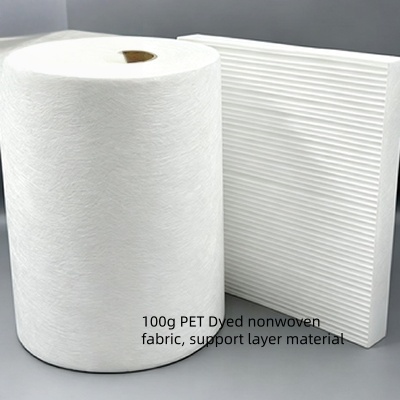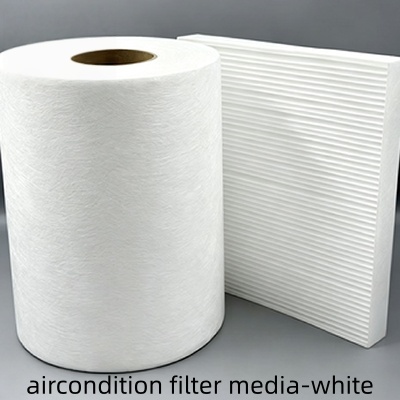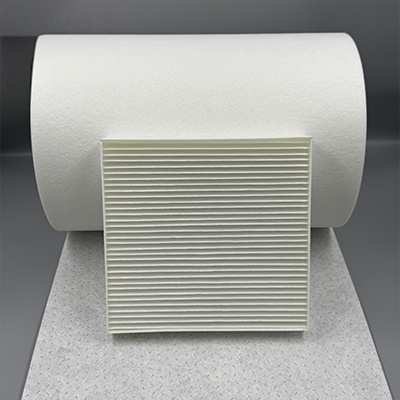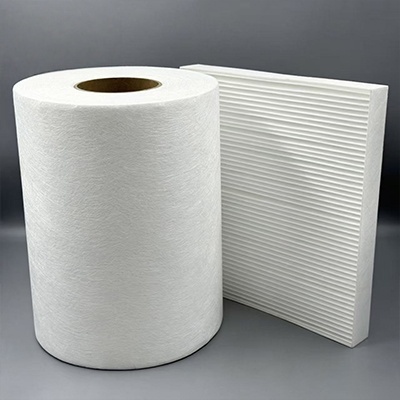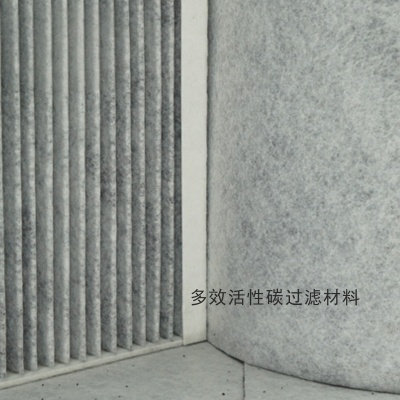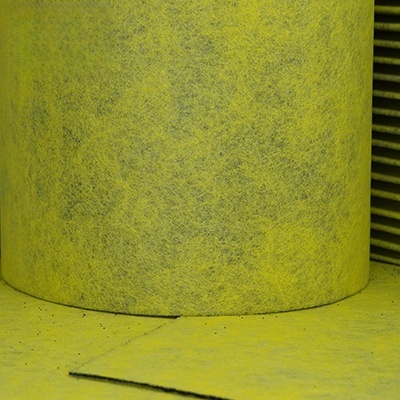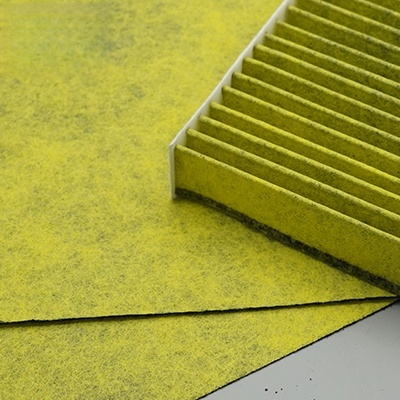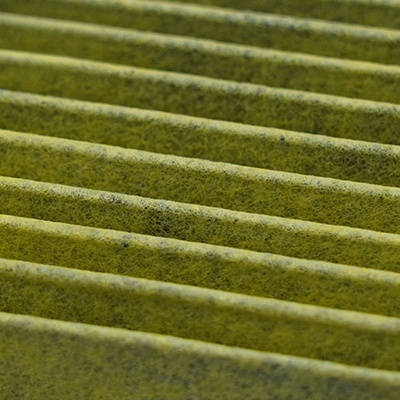

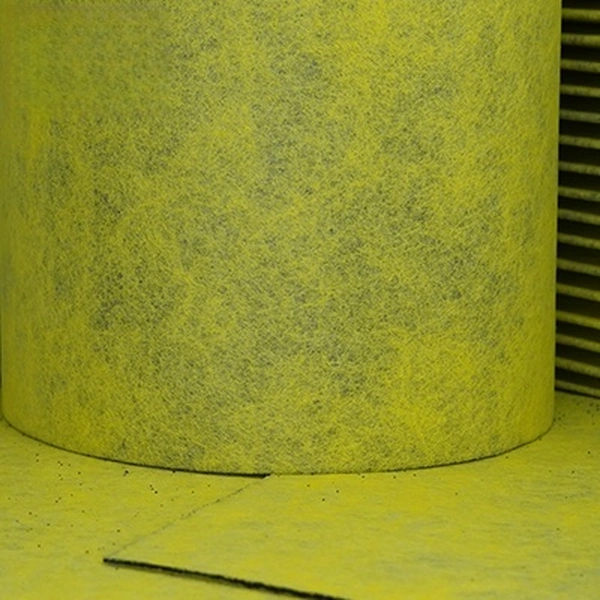
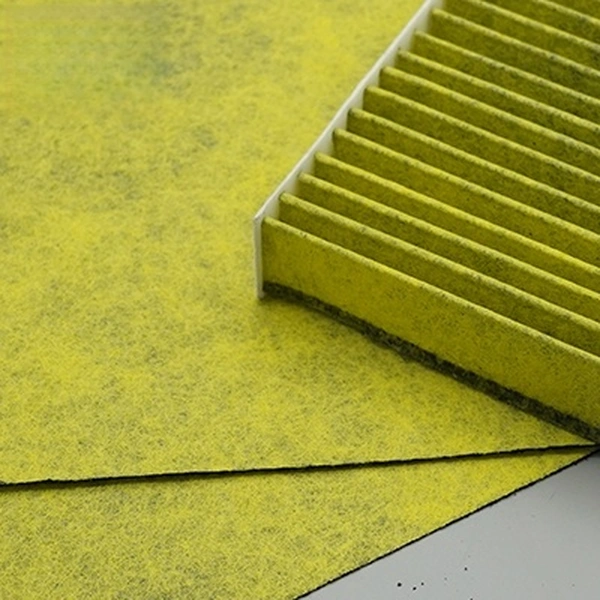
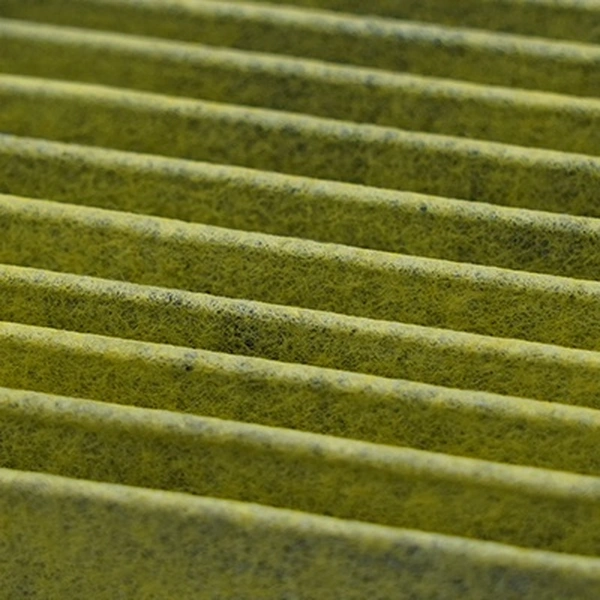
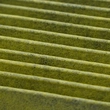
I. Substrate Physical Properties: High-weight carbon-filled structure, suitable for multi-process composite processing of filter elements.
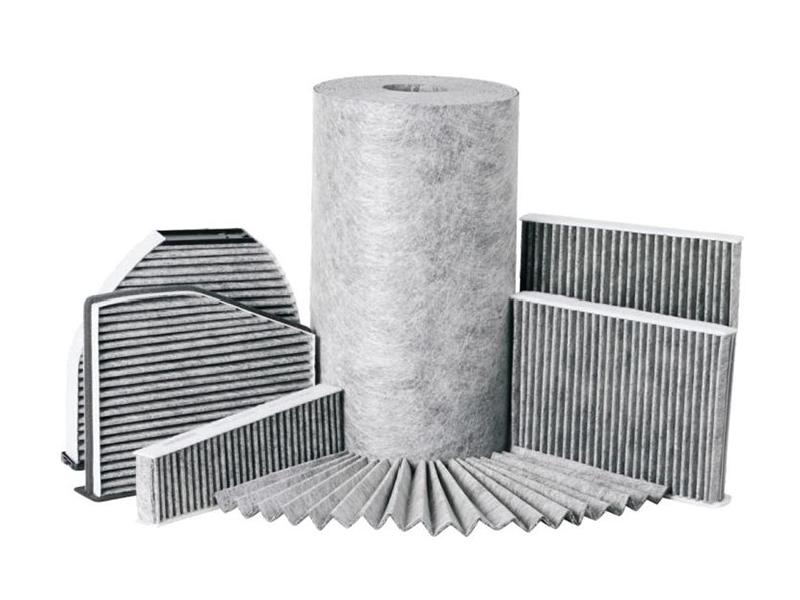
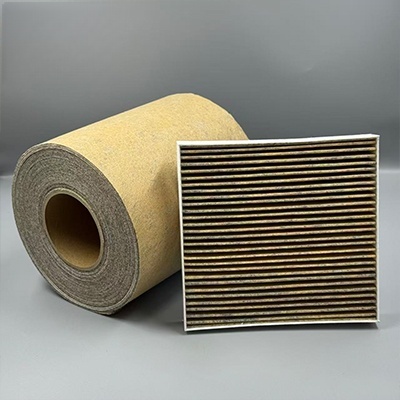
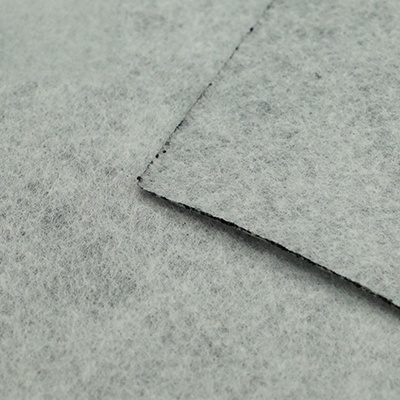
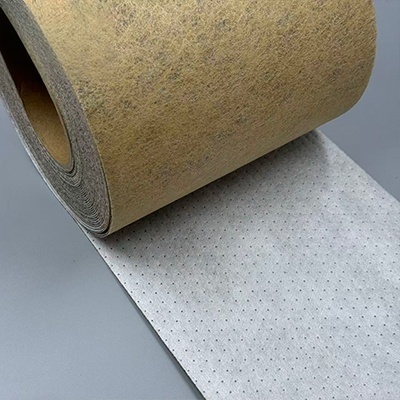
This yellow carbon fiber reinforced cloth, with a basis weight of 350±10% g/㎡ and a thickness of 1.3±0.2 mm, creates a thick and uniform substrate, specifically designed for automated processes such as pleating, lamination, and cutting in automotive air conditioning filters. The material has moderate stiffness and uniform carbon fiber layer distribution, minimizing carbon powder shedding, interlayer separation, or dimensional deviations during production. It can stably adapt to the processing rhythm of high-speed production lines, ensuring the structural consistency of the finished filter. Filters manufactured in downstream factories can be used in the air conditioning systems of mid-to-high-end passenger cars, SUVs, and commercial vehicles, providing stable physical support and preventing collapse and deformation during long-term use.
Customization: Customized materials: All properties of the materials, as well as specifications such as weight and thickness, can be customized to meet specific needs.
II. Wind Resistance and Breathability: Low wind resistance and high breathability, balancing filtration and air conditioning efficiency.
Leveraging a combination of wind resistance ≤9 Pa and air permeability ≥1000 L/㎡・S, this carbon fiber-reinforced fabric achieves a balance between filtration function and air delivery efficiency. The low wind resistance prevents additional operating load on the car's air conditioning fan, effectively avoiding issues such as reduced airflow, uneven air distribution, and slower cooling/heating. The high air permeability ensures efficient air circulation within the vehicle, resulting in more even and rapid temperature regulation, maintaining a comfortable airflow environment even during extended periods of air conditioning use. Filters made from this fabric are suitable for various driving scenarios, including urban commuting, long-distance driving, and use in enclosed in-car environments, and are particularly suitable for mid-to-high-end vehicles with high demands for air conditioning performance.
III. Filtration and Adsorption Performance: High-efficiency filtration + odor adsorption, dual purification of in-vehicle air.
With a filtration efficiency of ≥70%, this carbon-coated cloth effectively intercepts suspended impurities such as PM2.5, road dust, and exhaust particles. Simultaneously, the internal activated carbon granules efficiently adsorb harmful gases such as odors, formaldehyde, and VOCs, achieving dual purification through physical filtration and chemical adsorption. The carbon-coating process ensures even distribution of activated carbon, preventing it from falling off or pulverizing, thus avoiding secondary pollution of the air conditioning ducts. The finished product manufactured by automotive air conditioning filter OEMs is particularly suitable for frequently used vehicles such as family cars, ride-hailing vehicles, and commercial vehicles, effectively removing air conditioning odors, new car odors, and exhaust odors, creating a healthy and fresh in-car breathing environment for passengers.
IV. Comprehensive Performance Adaptability: Covering Multiple Scenarios, Supporting Market Deployment of Mid-to-High-End Automotive Air Conditioning Filters
This yellow carbon-lined cloth offers comprehensive performance that fully meets the diverse production needs of automotive air conditioning filters: for OEMs supplying medium- and high-efficiency activated carbon filters, it consistently meets the high purification and adsorption standards required for new vehicles; for aftermarket upgrade and replacement filters, its excellent ease of processing helps manufacturers create differentiated products and enhance market competitiveness. Finished products made from this material by automotive parts suppliers and automotive accessory manufacturers can comprehensively cover multiple scenarios, including mid- to high-end new car parts and aftermarket upgrades for existing vehicles, helping customers accurately penetrate the mid- to high-end filter market and achieve triple optimization of quality, performance, and user experience. It is the preferred base material for mid- to high-end automotive air conditioning activated carbon filters.