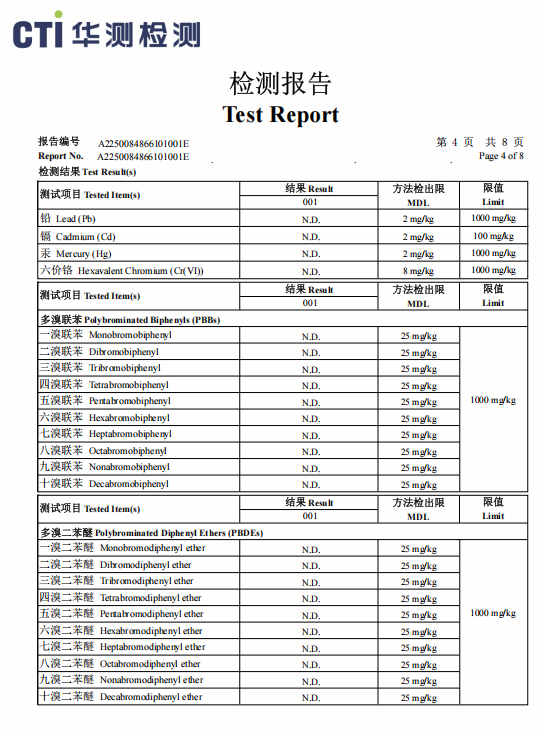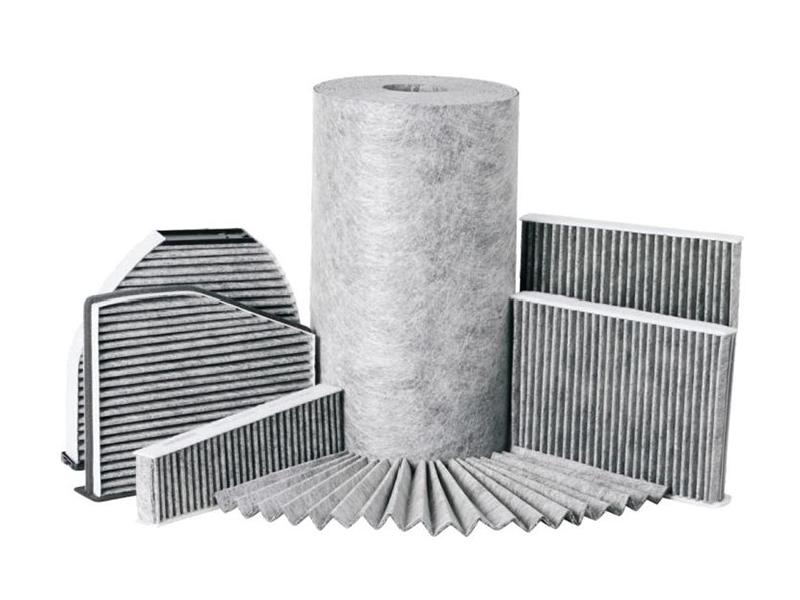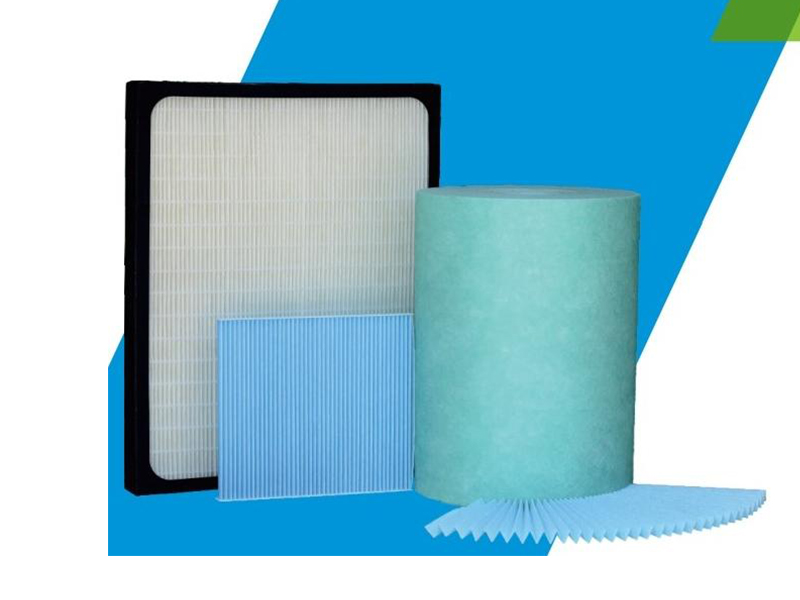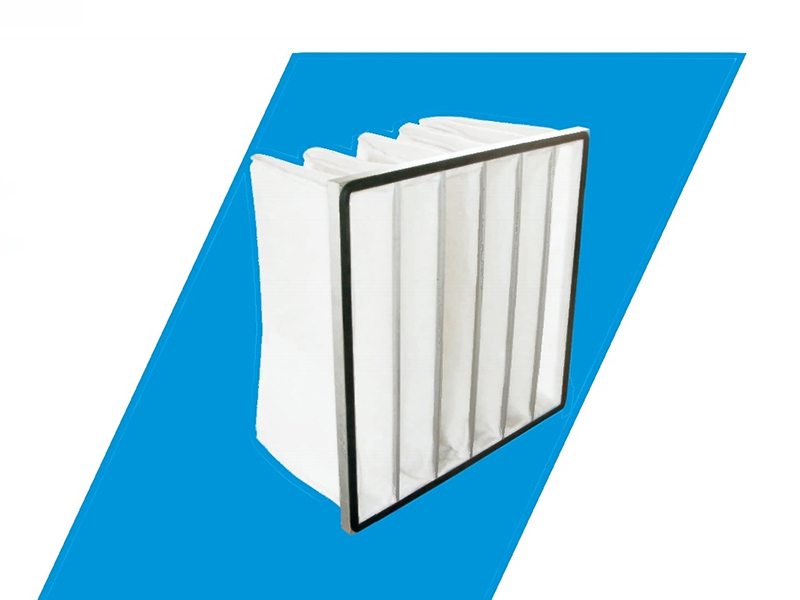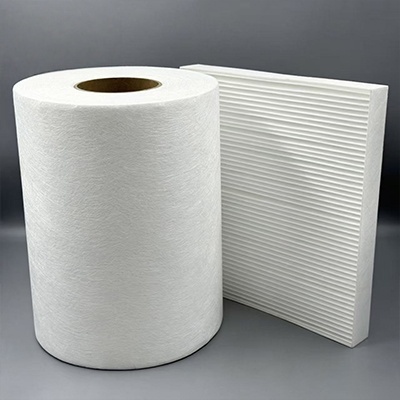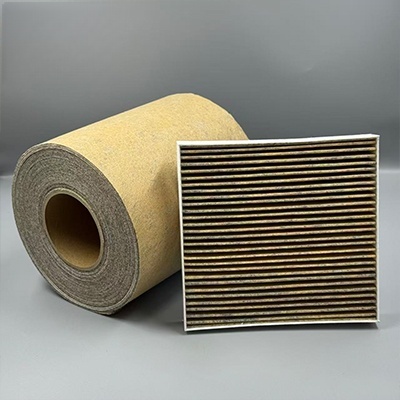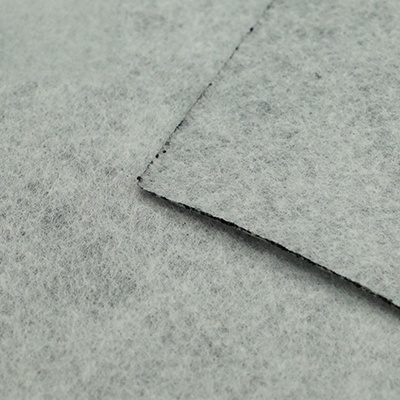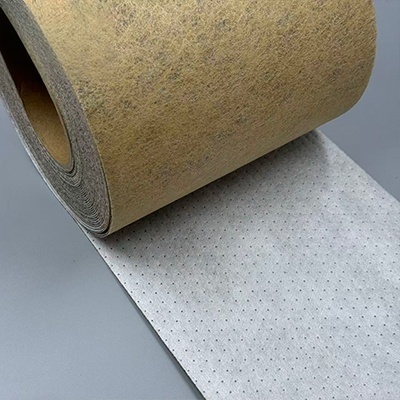



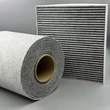
First (core: basic physical properties, ensuring the processing adaptation and structural stability of automotive air conditioning filters)
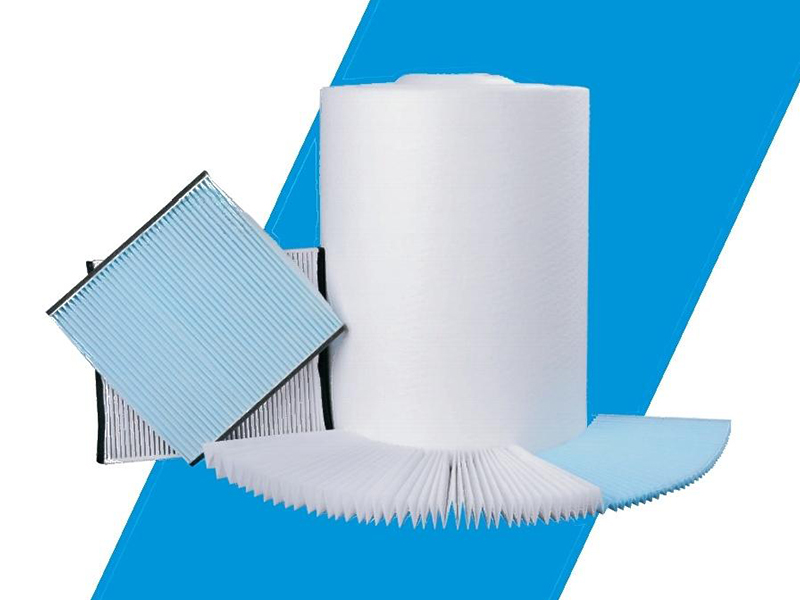
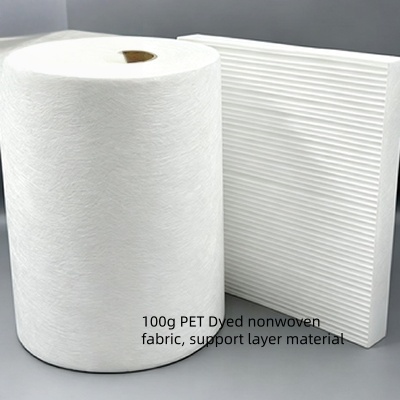
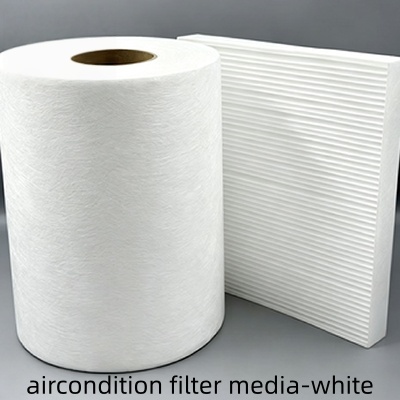
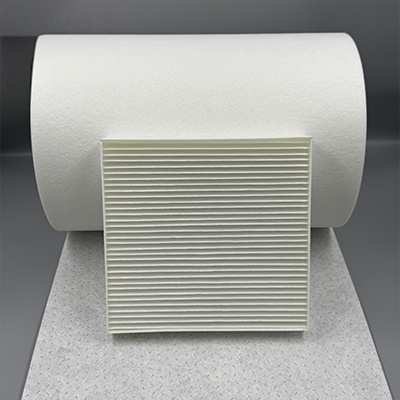
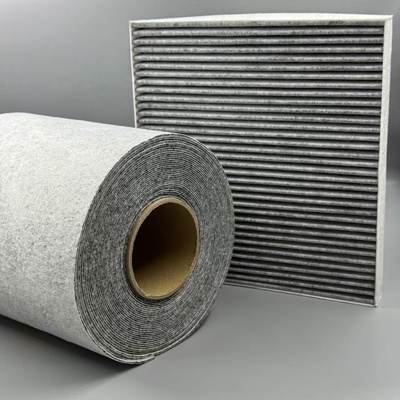
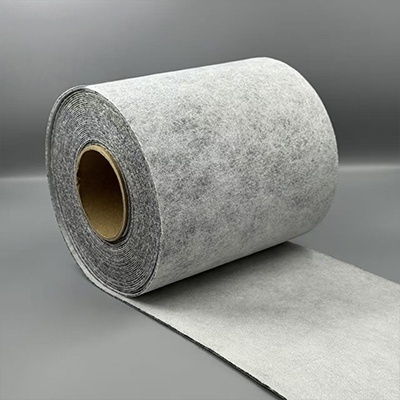
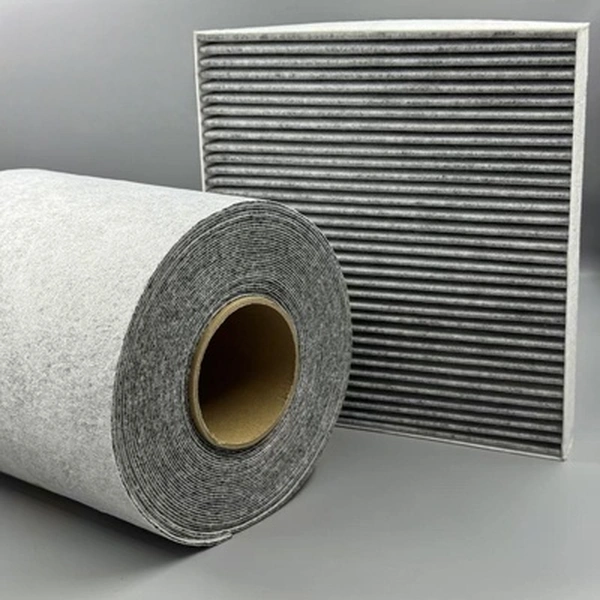
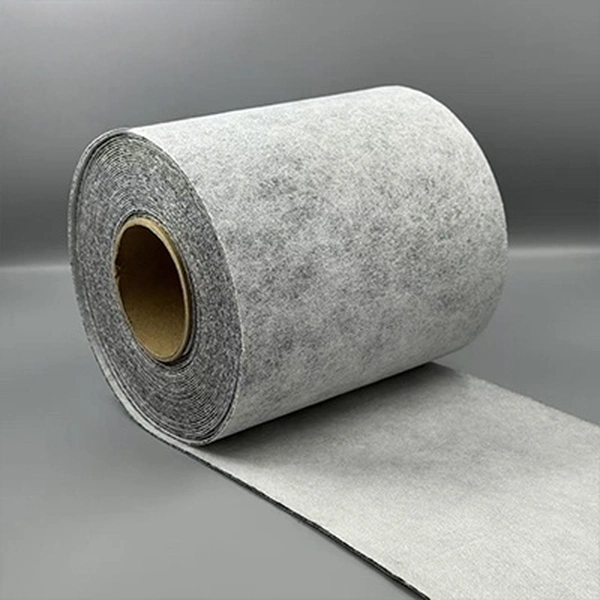
This automotive air conditioning filter uses carbon fiber reinforced cloth , constructed with a basis weight of 350±10% g/㎡ and a thickness of 1.4±0.2 mm to create a dense and regular substrate morphology, perfectly suited to the automated processing steps of cutting, lamination, and hot pressing in automotive air conditioning filter production workshops. During production, the material exhibits uniform thickness and stable weight, minimizing the risk of stretching deformation, delamination, and wrinkling. This provides a flat and reliable structural base for the filter, ensuring the regularity of the finished filter's shape. Finished products manufactured in these facilities (automotive air conditioning component OEM factories, filter production bases) can be used in the air conditioning filtration systems of various passenger and commercial vehicles, strengthening the structural stability of the filter from the substrate layer and preventing issues such as support failure and filter layer misalignment after long-term use.
Customization: Customized materials: All properties of the materials, as well as specifications such as weight and thickness, can be customized to meet specific needs.
The second section (core: wind resistance and air permeability, balancing air conditioning efficiency and filtration experience)
Leveraging a combination of performance characteristics—wind resistance ≤12 Pa and air permeability ≥800 L/m²・S—this carbon fiber reinforced cloth achieves a precise balance between filtration function and air delivery efficiency. The low wind resistance significantly reduces the operating load on the air conditioning fan, preventing issues such as reduced airflow at the vents and slower cooling/heating after filter installation. The high air permeability ensures smooth air circulation within the vehicle, allowing passengers to consistently enjoy a comfortable airflow experience. Automotive air conditioning filter manufacturers use this as a core functional layer, producing finished products suitable for all types of vehicle types, including sedans, SUVs, and light commercial vehicles, meeting end-users' core demand for smooth airflow while reducing vehicle energy consumption.
The third section (core: filtration efficiency, enhancing the vehicle's refined air purification capabilities)
With a filtration efficiency of ≥80%, this carbon-coated cloth effectively intercepts various pollutants in the in-vehicle environment: it can accurately capture fine suspended impurities such as PM2.5, road dust, and exhaust particles, while adsorbing harmful gases such as odors, formaldehyde, and VOCs through its carbon-coated structure, purifying the air inside the vehicle from the source. Automotive air conditioning filter manufacturers use it as a core purification layer, producing finished products suitable for all driving scenarios, including urban commuting, long-distance driving, and smoggy weather. It is especially suitable for high-frequency usage scenarios such as ride-hailing and private cars, creating a clean and healthy in-vehicle breathing environment for drivers and passengers.
The fourth section (Core: Comprehensive performance adaptation, helping automotive air conditioning filters achieve full market coverage)
This carbon fiber reinforced cloth offers comprehensive performance that meets the diverse production needs of automotive cabin air filters: it can serve as a core material for OEM filters, supplying vehicle manufacturers to meet the high purification standards required for new car production; it can also be a high-quality base material for aftermarket replacement filters, supplied to automotive repair parts suppliers to meet the routine replacement needs of existing vehicles. The finished products produced at these manufacturing sites (various automotive cabin air filter production lines) comprehensively cover both the new car parts and aftermarket maintenance markets, helping manufacturers simplify the base material selection process, reduce supply chain costs, and significantly enhance the core competitiveness of the finished products in the automotive filtration market thanks to their stable filtration, low resistance, and breathability.