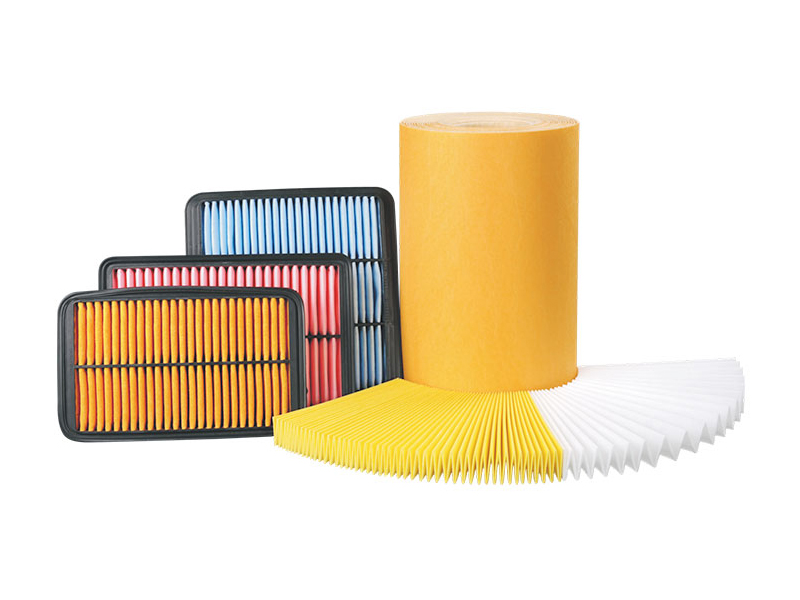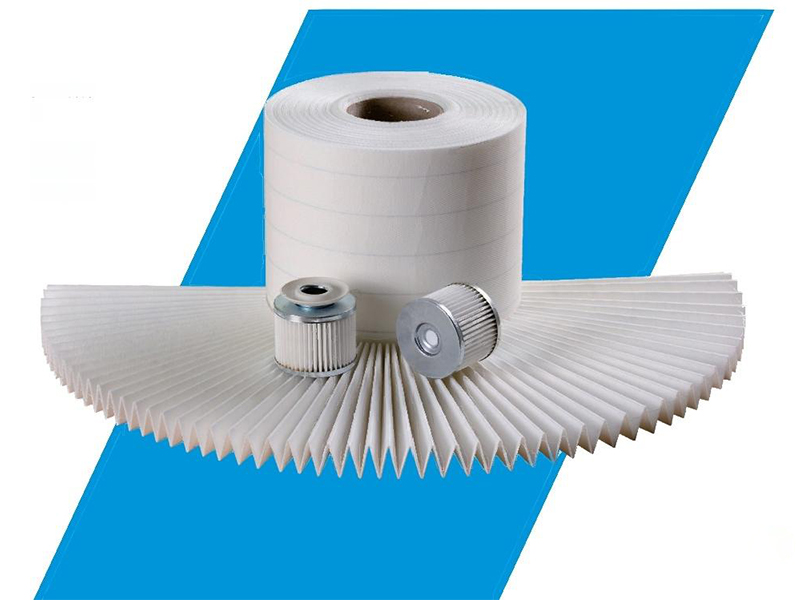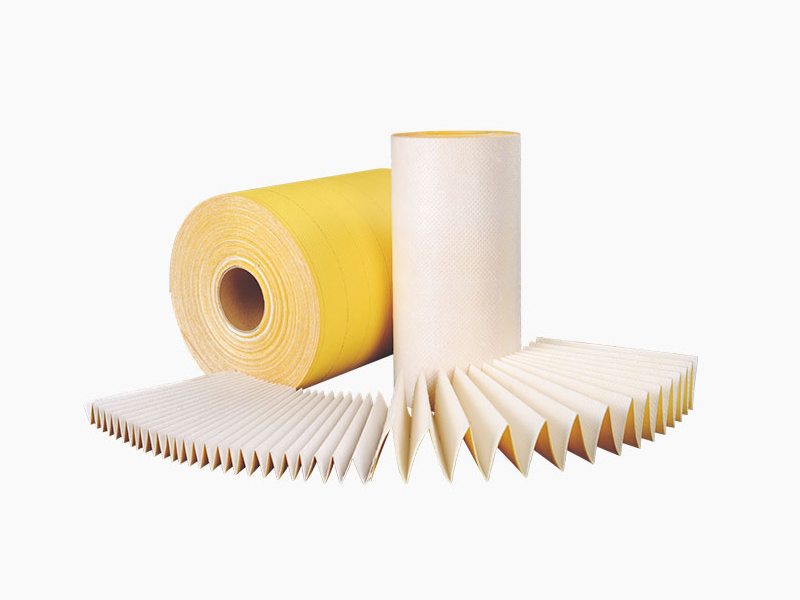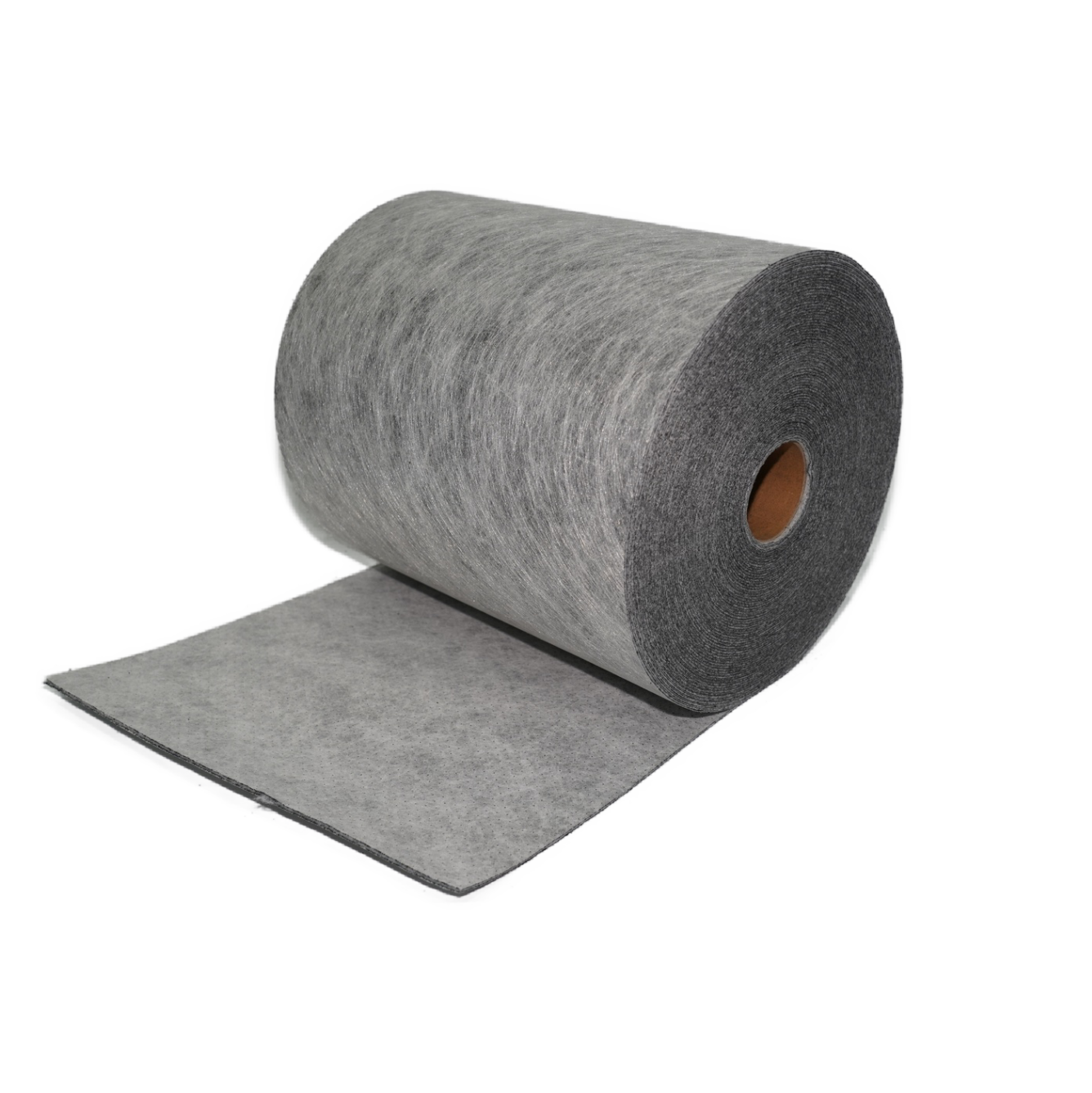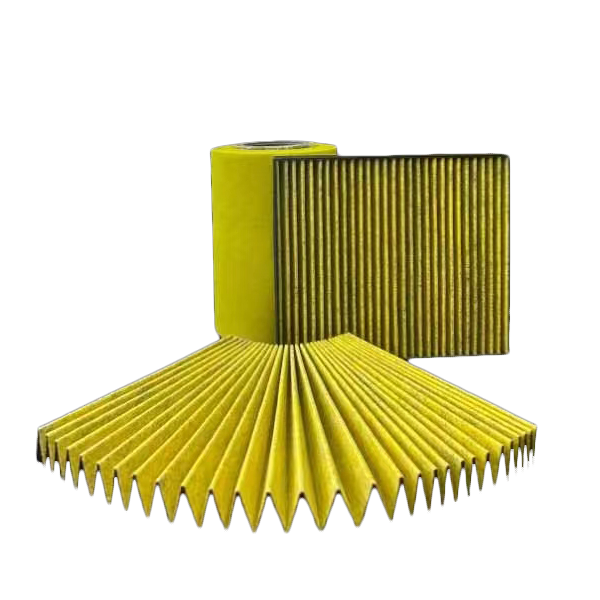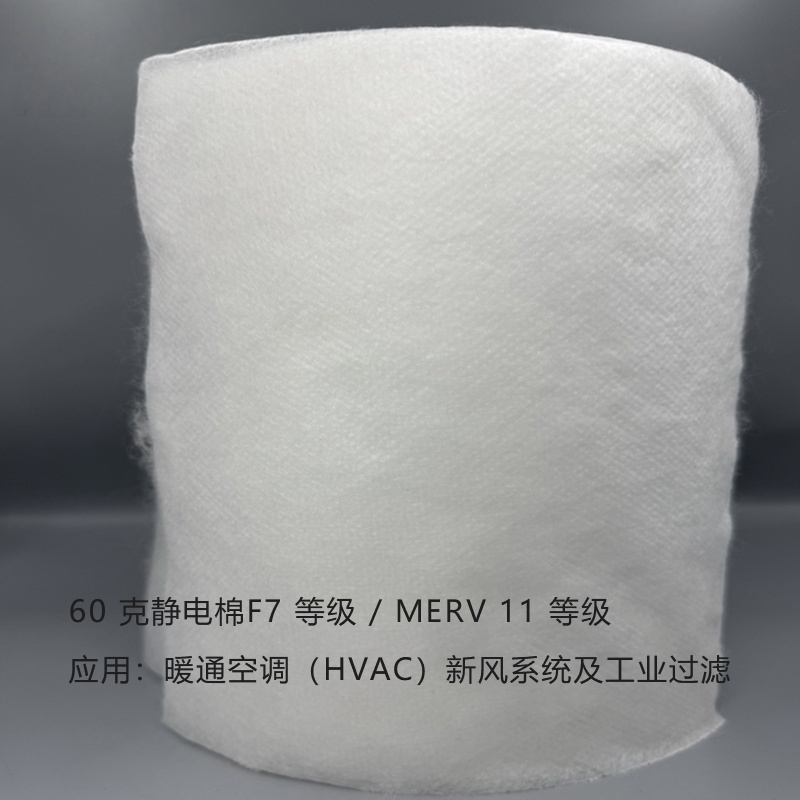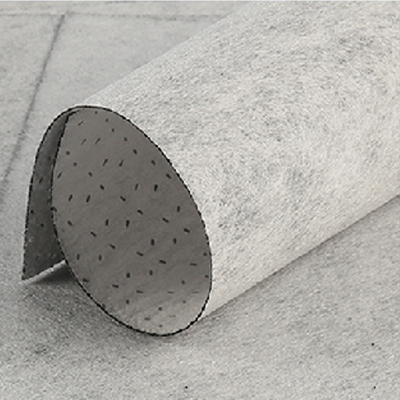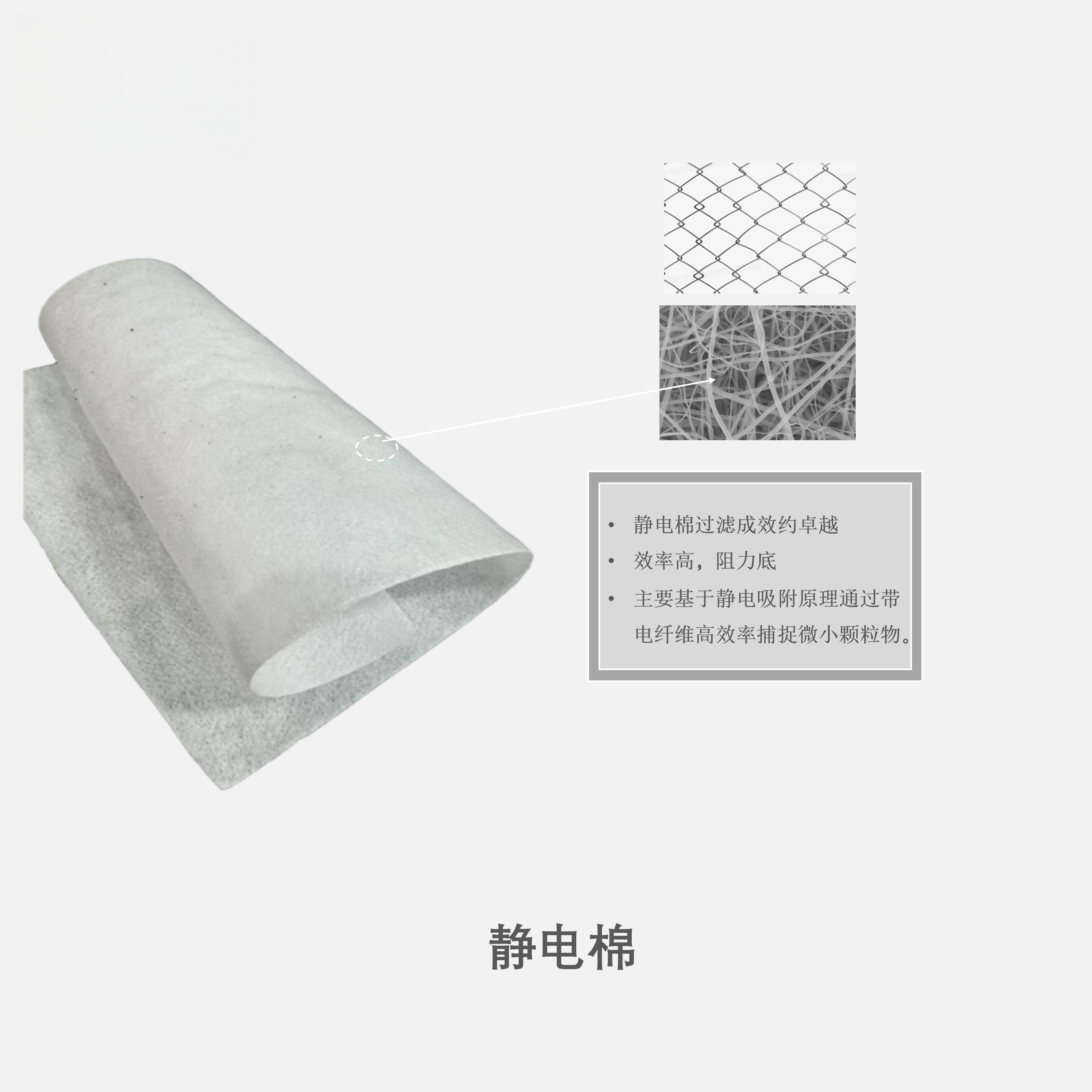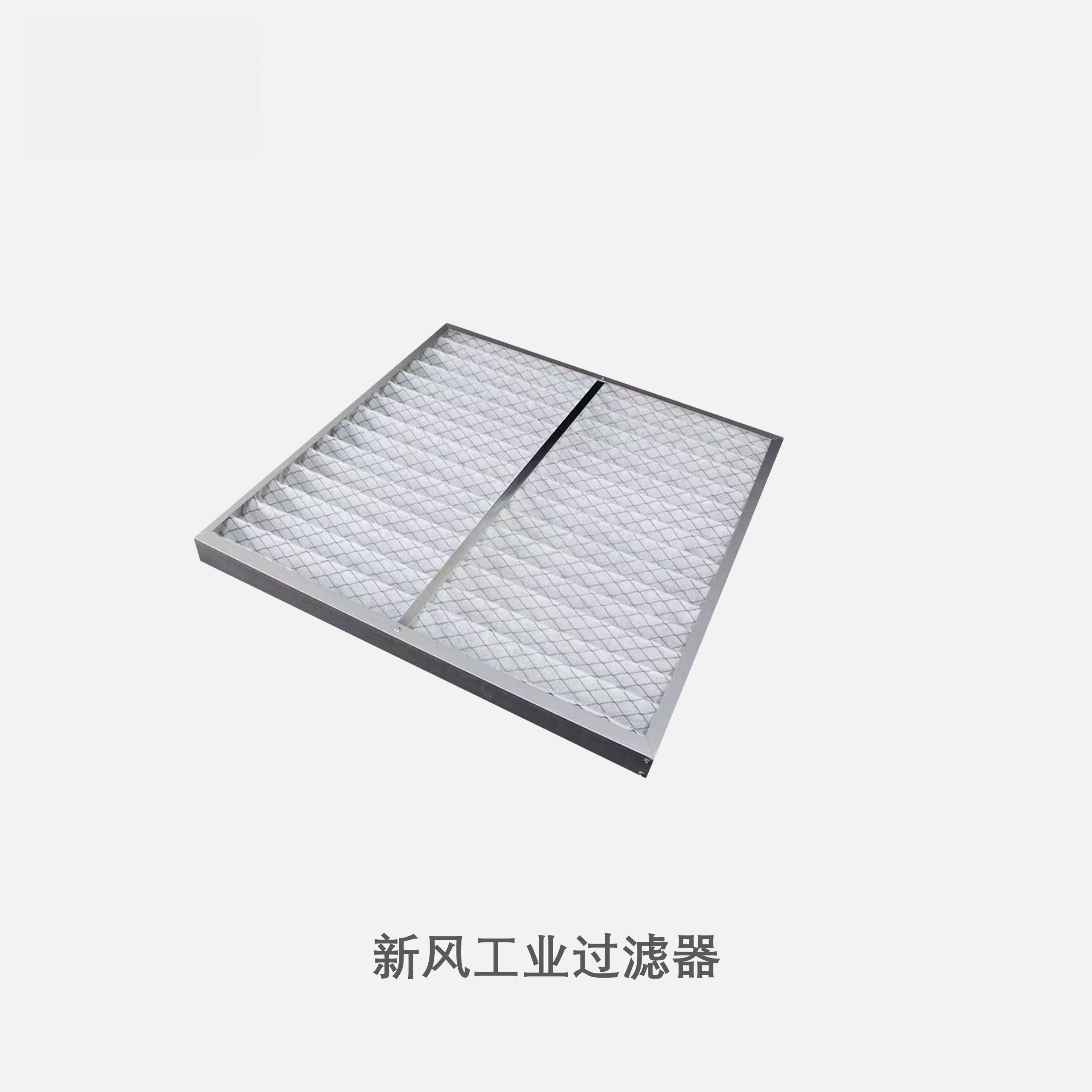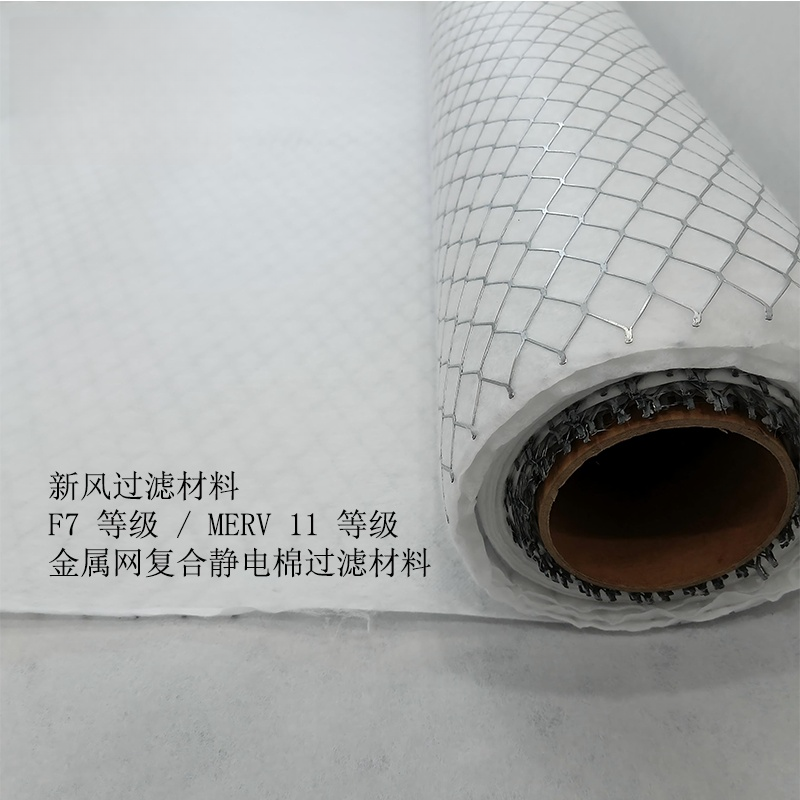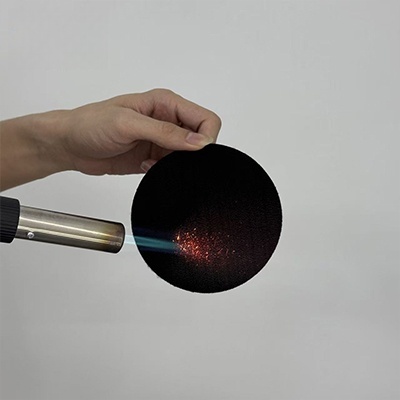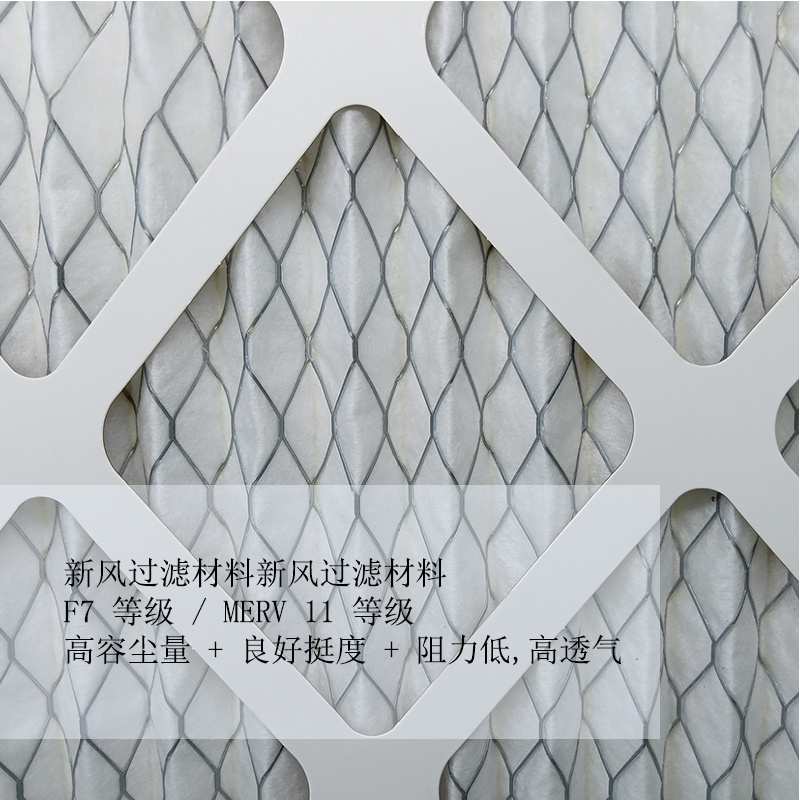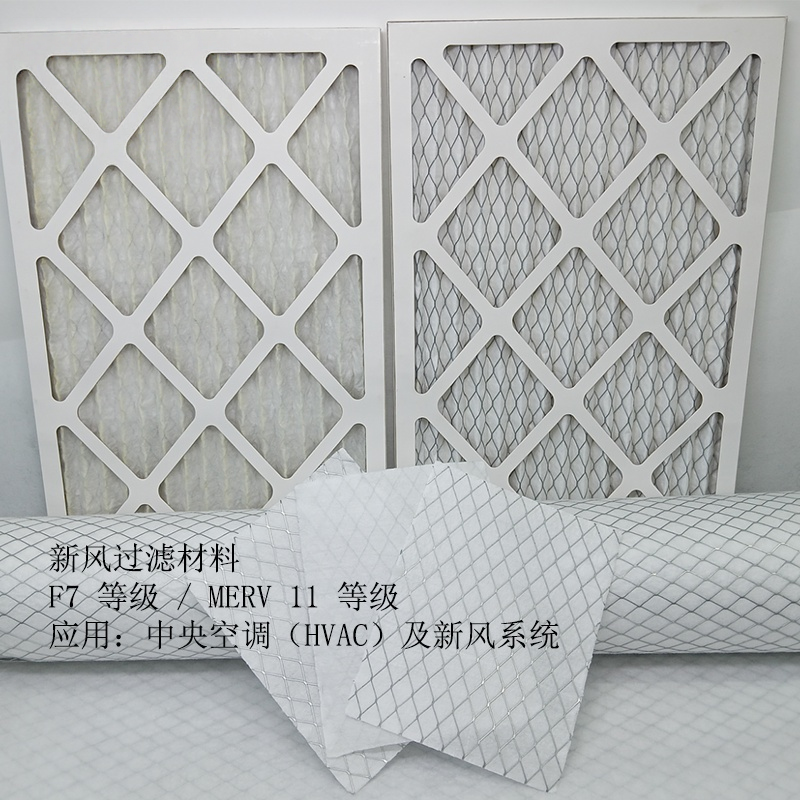

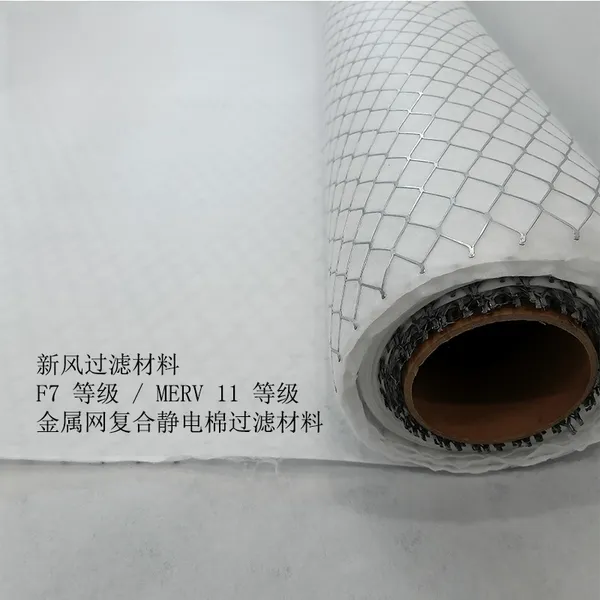
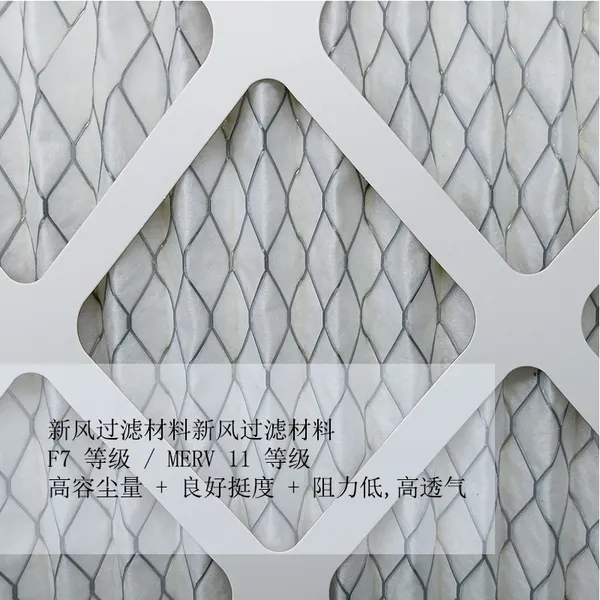
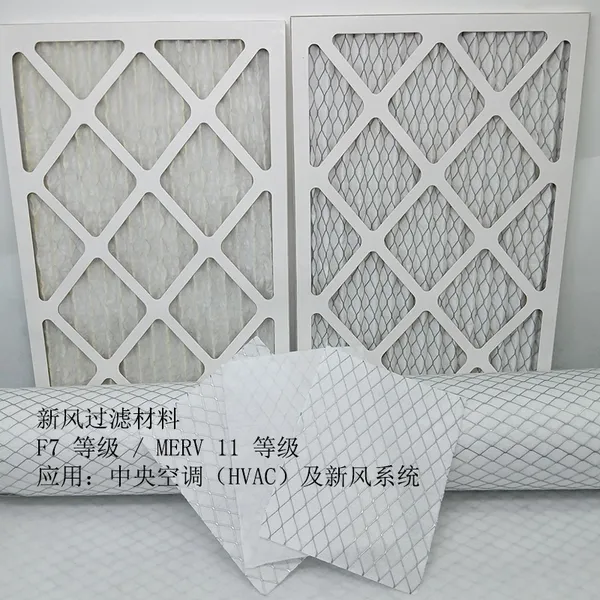


The first section (Core: Fundamental Physical Properties, Solidifying the Filter Structure) describes this iron mesh composite cloth filter material used in fresh air systems and central air conditioning systems as exhibiting excellent fundamental physical properties. Its basis weight adheres to a standard of 370±10% g/m², and its thickness meets the requirement of 1.0±0.1 mm. During operation, fresh air systems and central air conditioning systems experience continuous airflow impact on the filter material, which also needs to withstand the accumulation of dust, pollen, and other impurities over extended periods. This material, with its stable basis weight and thickness, maintains its shape well, resisting damage and deformation. It provides reliable support for the overall structure of the filtration system, serving as the core foundation for the filter material's structural stability and ensuring its continued structural integrity and effective filtration throughout long-term use.
Customized materials: All performance parameters, efficiency parameters, and specifications such as basis weight and thickness of the materials can be customized to meet specific needs.
The second section (core: wind resistance and breathability, balancing airflow and filtration efficiency) states that a wind resistance of ≤4 Pa means that air encounters minimal resistance when passing through the material, preventing excessive impact on the air supply efficiency of the fresh air system and central air conditioning. During system operation, it ensures smooth air circulation, allowing for timely indoor air renewal and filtration, while also providing ample airflow for the filtration process. A breathability rate of ≥2000 L/m²·S further facilitates efficient airflow through the filter material, enabling the fresh air system and central air conditioning to quickly complete air circulation and purification. Even when efficient filtration of airborne impurities is required, airflow remains relatively smooth, achieving a good balance between airflow efficiency and filtration effect, ensuring timely indoor air renewal while effectively preventing impurities from entering the room.
The third stage (core: filtration efficiency, precisely intercepting airborne impurities) boasts a filtration efficiency of ≥70%, making the material act like a highly efficient "air filter," precisely intercepting various particulate impurities in the air. Whether it's dust, pollen, or other suspended particles, they can be effectively blocked, resulting in cleaner indoor air, reducing the irritation of particulate matter to the human respiratory system, lowering the probability of allergic reactions, and building a robust particulate matter protective barrier for indoor occupants, allowing people to breathe cleaner air indoors.