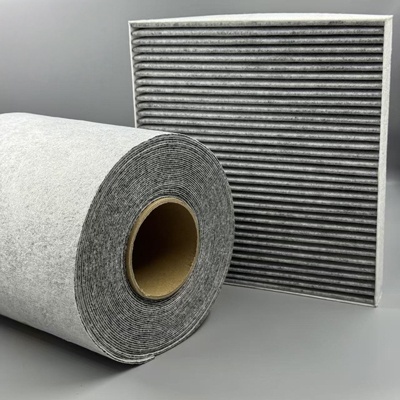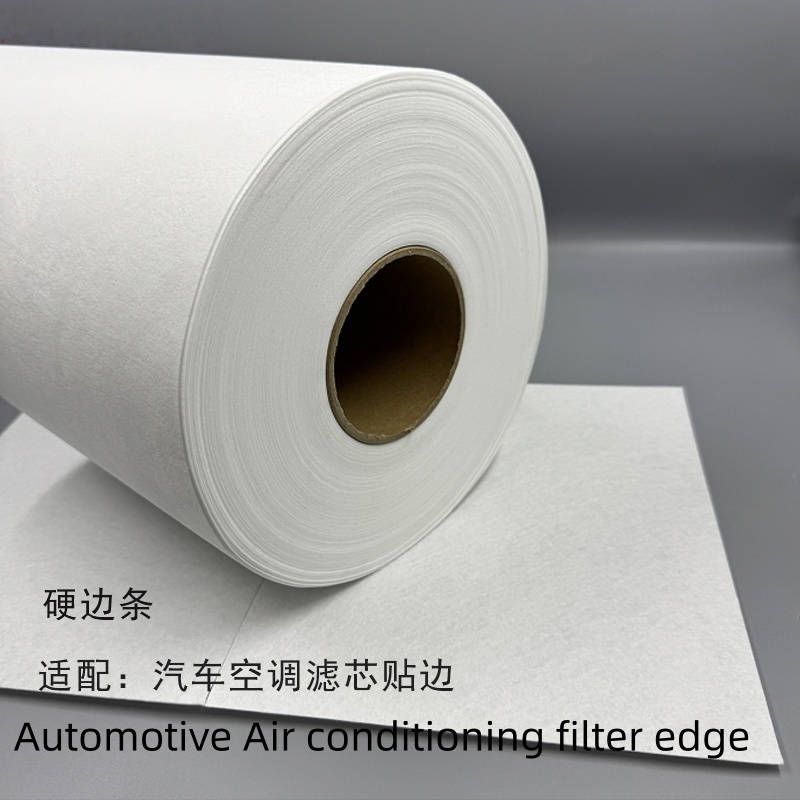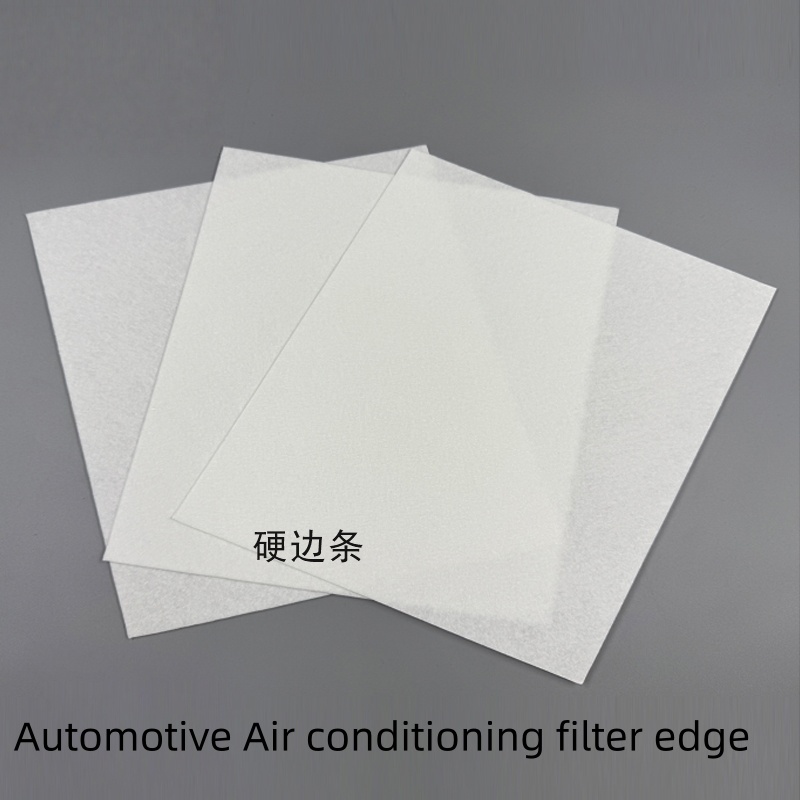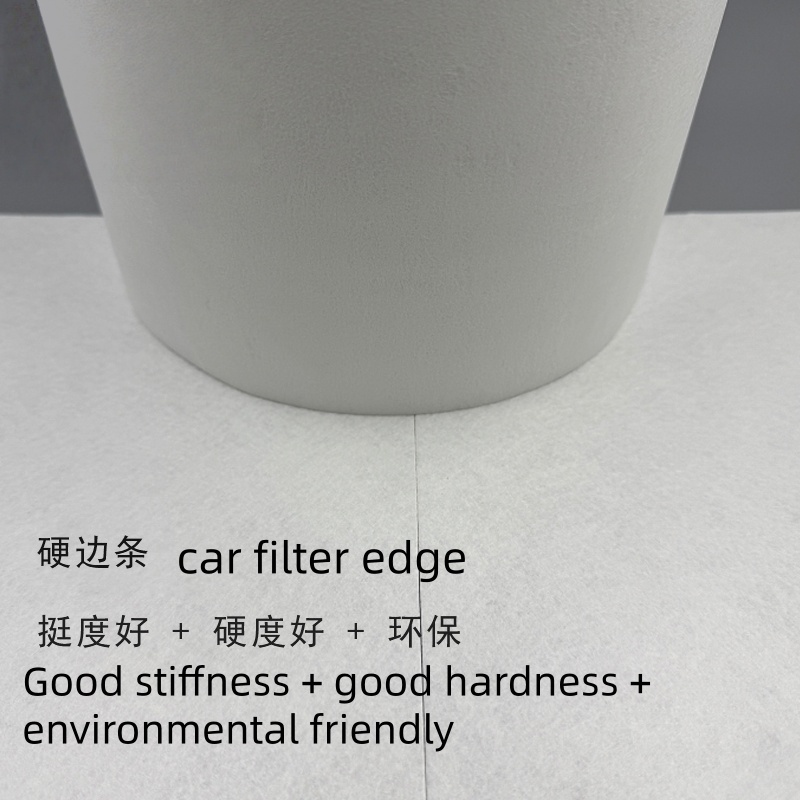

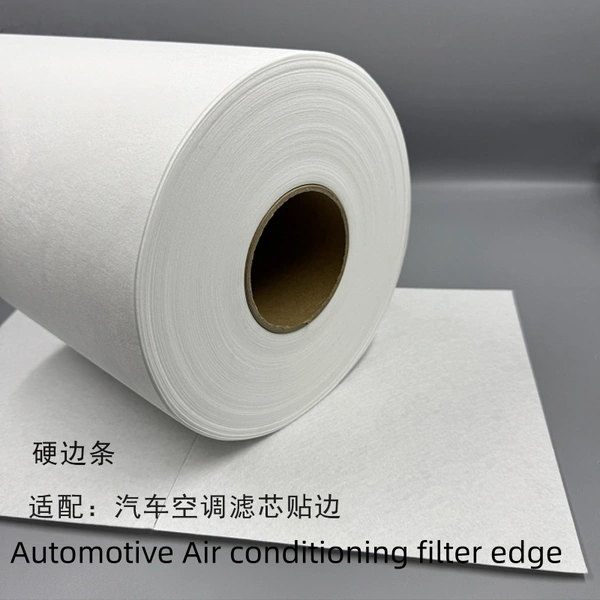
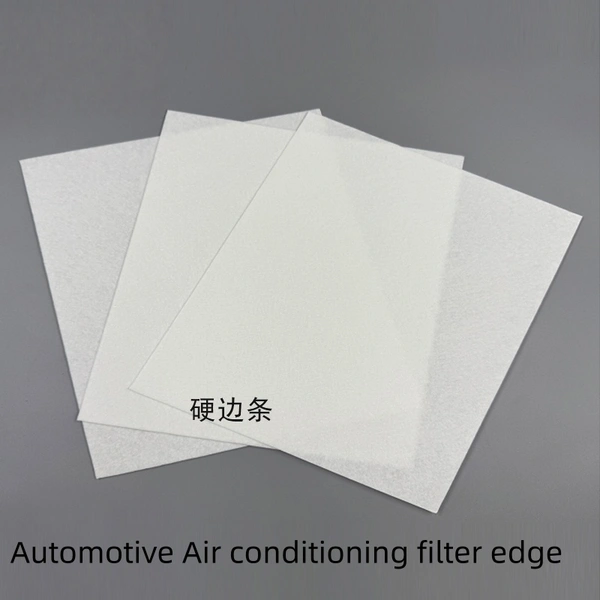
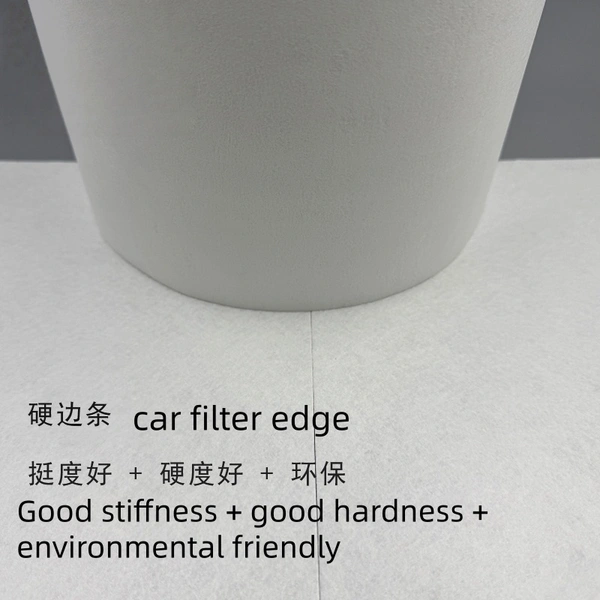
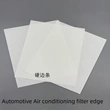
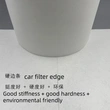
The first section (Core: Basic physical properties, ensuring stable fit of automotive air conditioning filter edge processing)
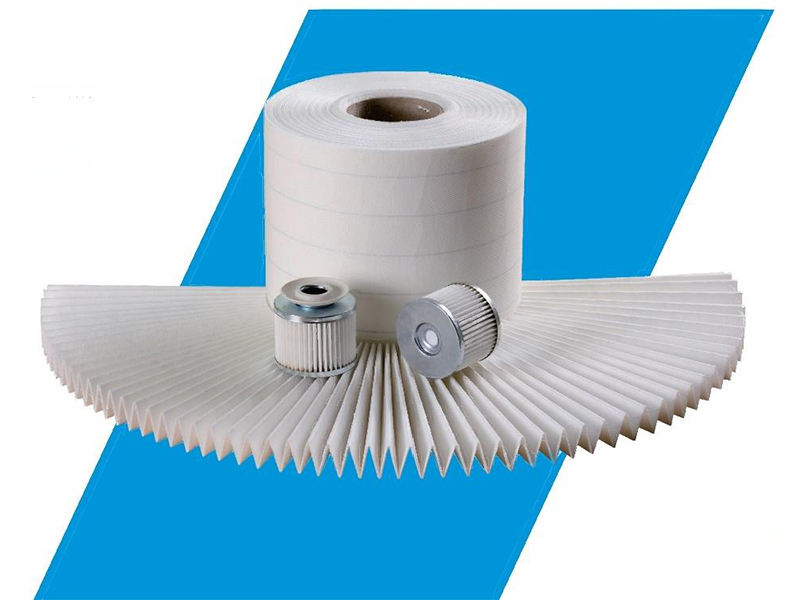
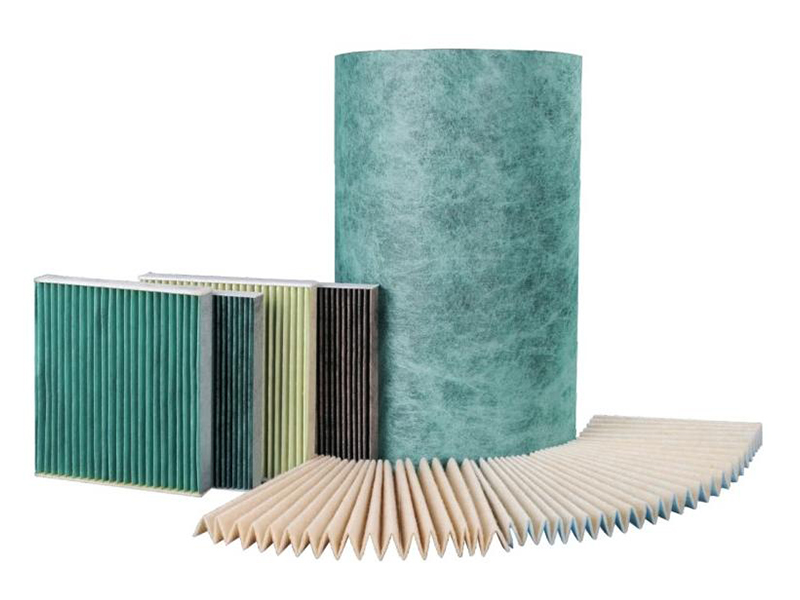
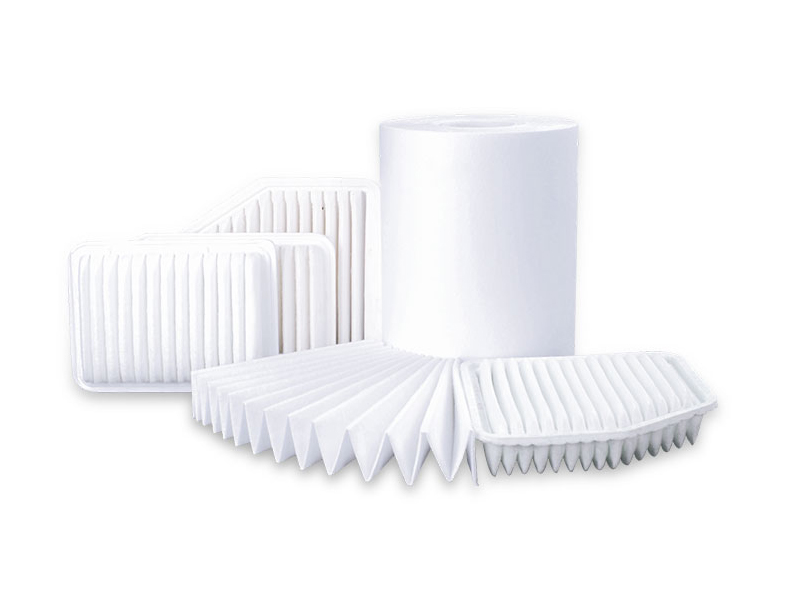
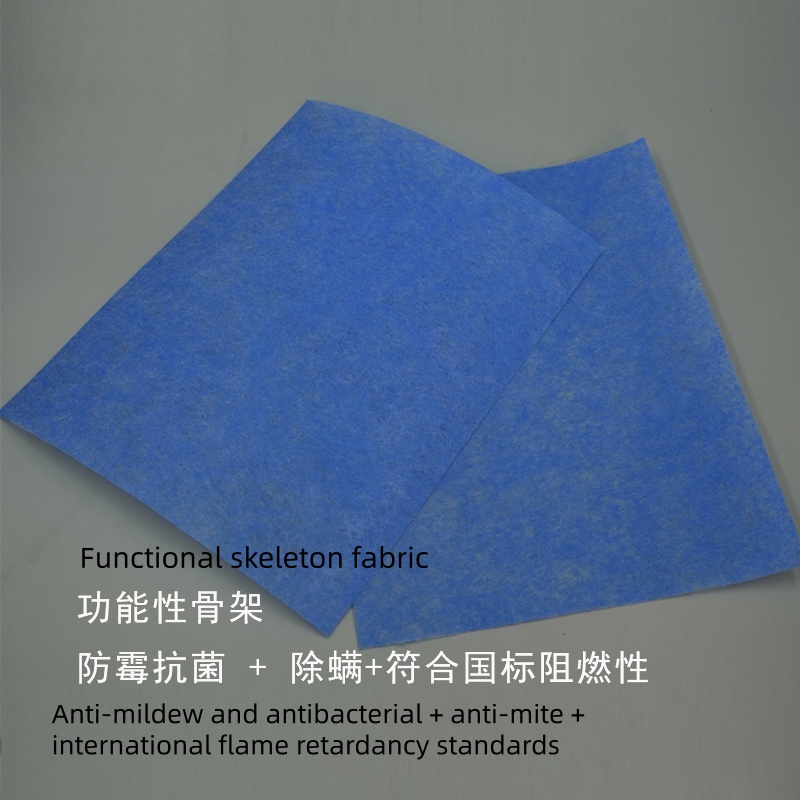
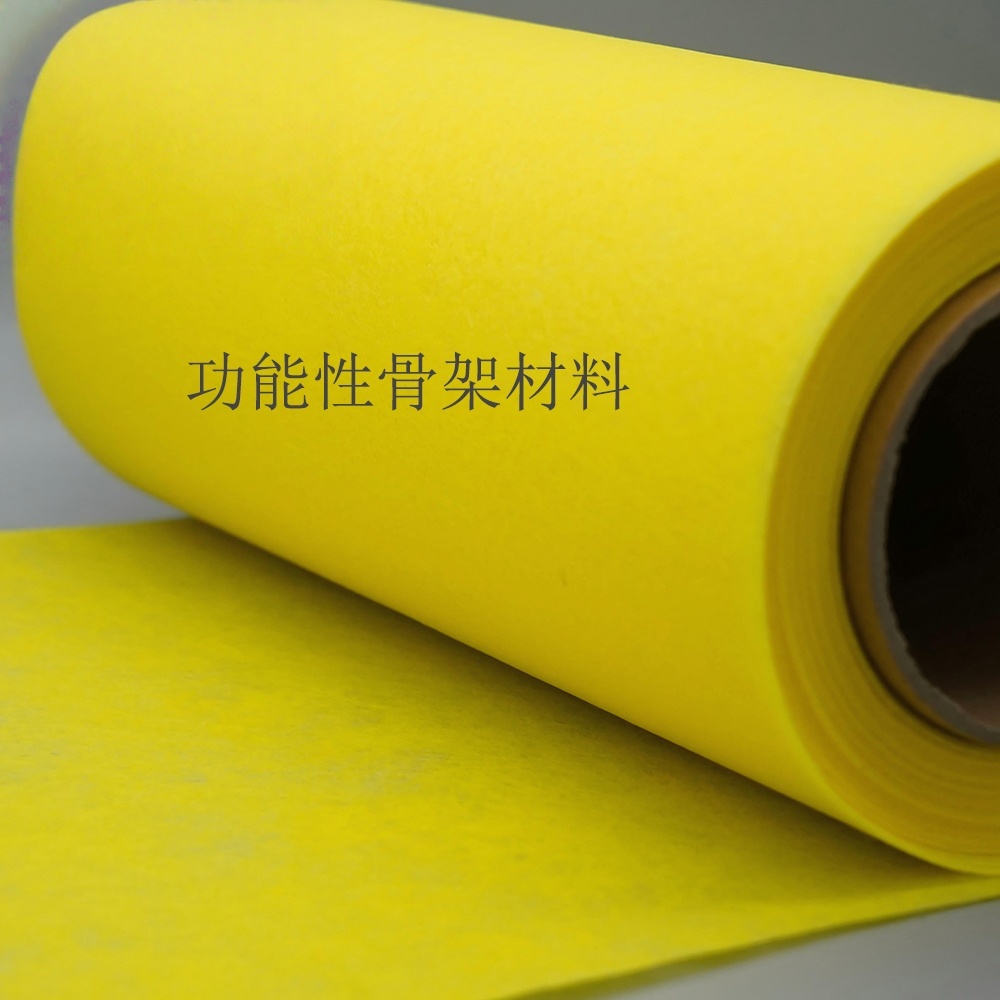
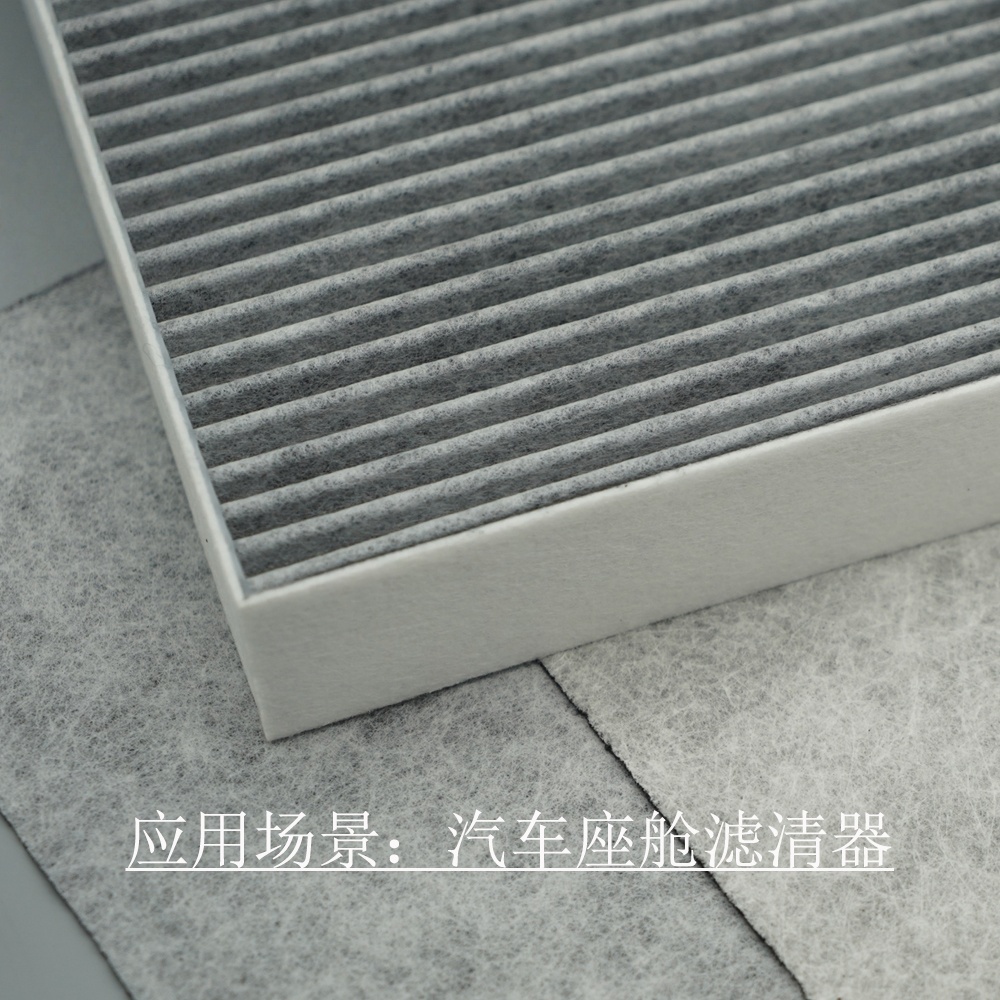
This automotive air conditioning filter uses 320g edge strips, with a basis weight of 320±10% g/㎡ and a thickness of 1.2±0.2 mm to create a dense and regular substrate morphology, perfectly suited to the edge-sealing processing requirements of automotive air conditioning filter production workshops. During automated processes such as cutting and hot-pressing, the material is less prone to stretching deformation and uneven thickness, maintaining the required structural shape for edge sealing and providing a reliable fixed base for the filter material. Finished products manufactured in such facilities (automotive air conditioning component OEM factories) can be used in the edge-sealing areas of air conditioning filters for various passenger cars and commercial vehicles, ensuring the regularity of the filter structure from the substrate layer and preventing problems such as edge detachment and filter layer misalignment after long-term use.
Customization: Customized materials: All properties of the materials, as well as specifications such as weight and thickness, can be customized to meet specific needs.
The second section (core: longitudinal tear strength, enhancing the tensile strength and fixation of the filter element edges)
Leveraging its longitudinal tear strength of ≥800 N/5cm and transverse tear strength of ≥500 N/5cm, this edge-sealing strip provides robust tensile strength for automotive cabin air filters. During the edge-sealing process at the filter manufacturing plant, its high tear strength withstands the tensile stress between the filter layer and the frame, reducing the likelihood of breakage or delamination. In automotive applications, it can withstand the continuous impact and vibration of air conditioning airflow, ensuring the filter material remains firmly fixed. The finished product is suitable for cabin air filters in various vehicle types, including sedans, SUVs, and light commercial vehicles, ensuring structural stability under complex operating conditions.
The third section (core: tear elongation performance, improving the deformation adaptability of the filter element edge)
With longitudinal tear elongation ≥40% and transverse tear elongation ≥40%, this edge strip exhibits excellent deformation adaptability: during the hot pressing process in automotive air conditioning filter OEM manufacturing, the material can moderately stretch with the curvature of the filter frame, avoiding problems such as wrinkling and loose adhesion due to excessive rigidity ; when used in vehicles, it can buffer the stress caused by vibration and temperature changes during vehicle operation, maintaining a tight fit between the edge strip and the filter layer. This type of finished product is suitable for various automotive air conditioning filters, especially for irregularly shaped filters requiring complex molding, improving the reliability of edge fixing.