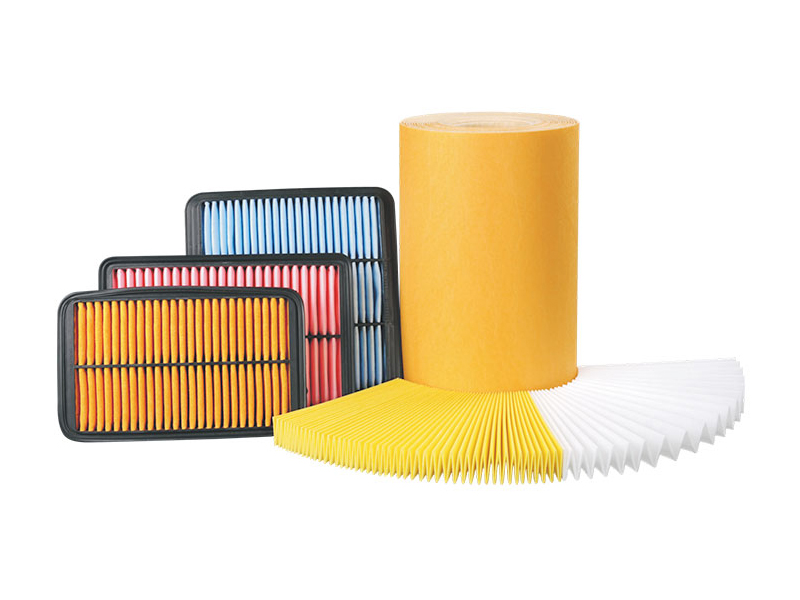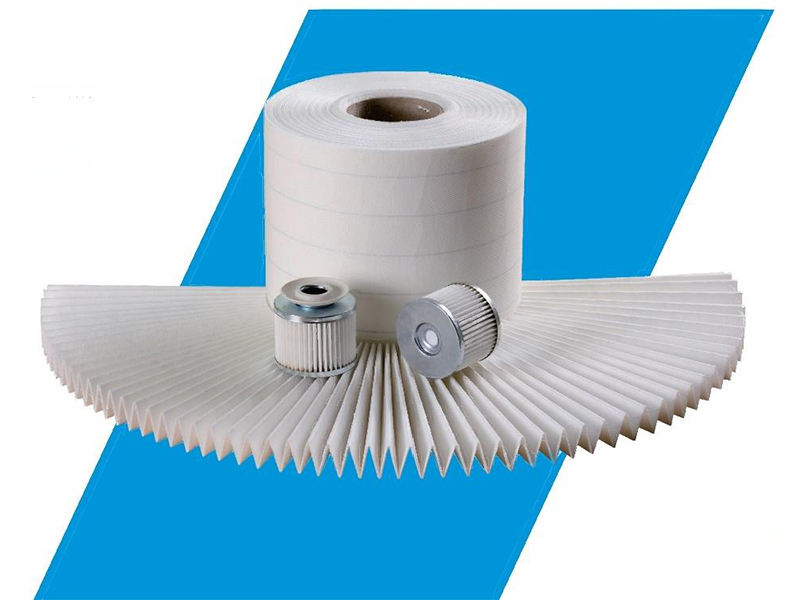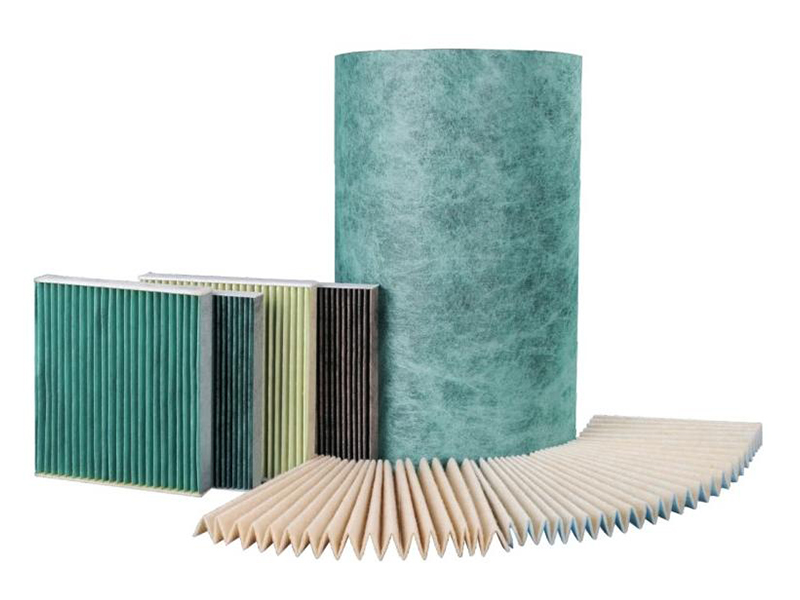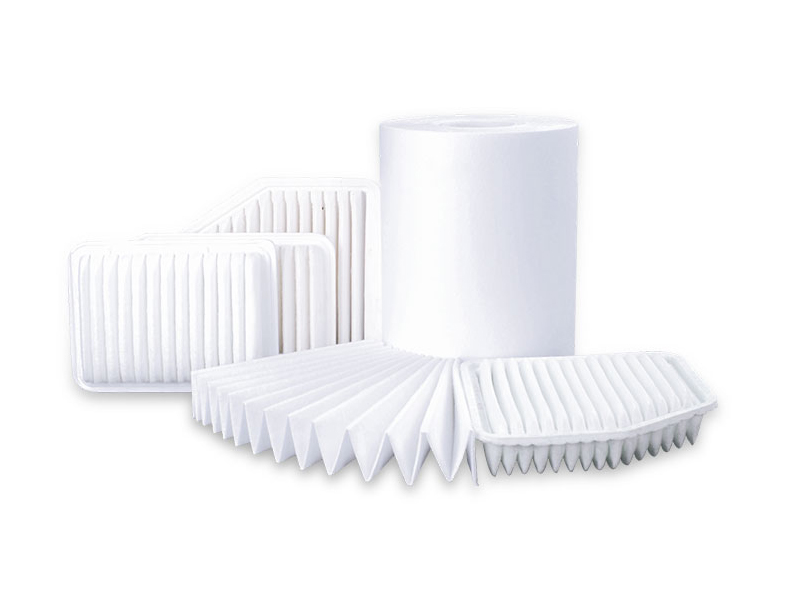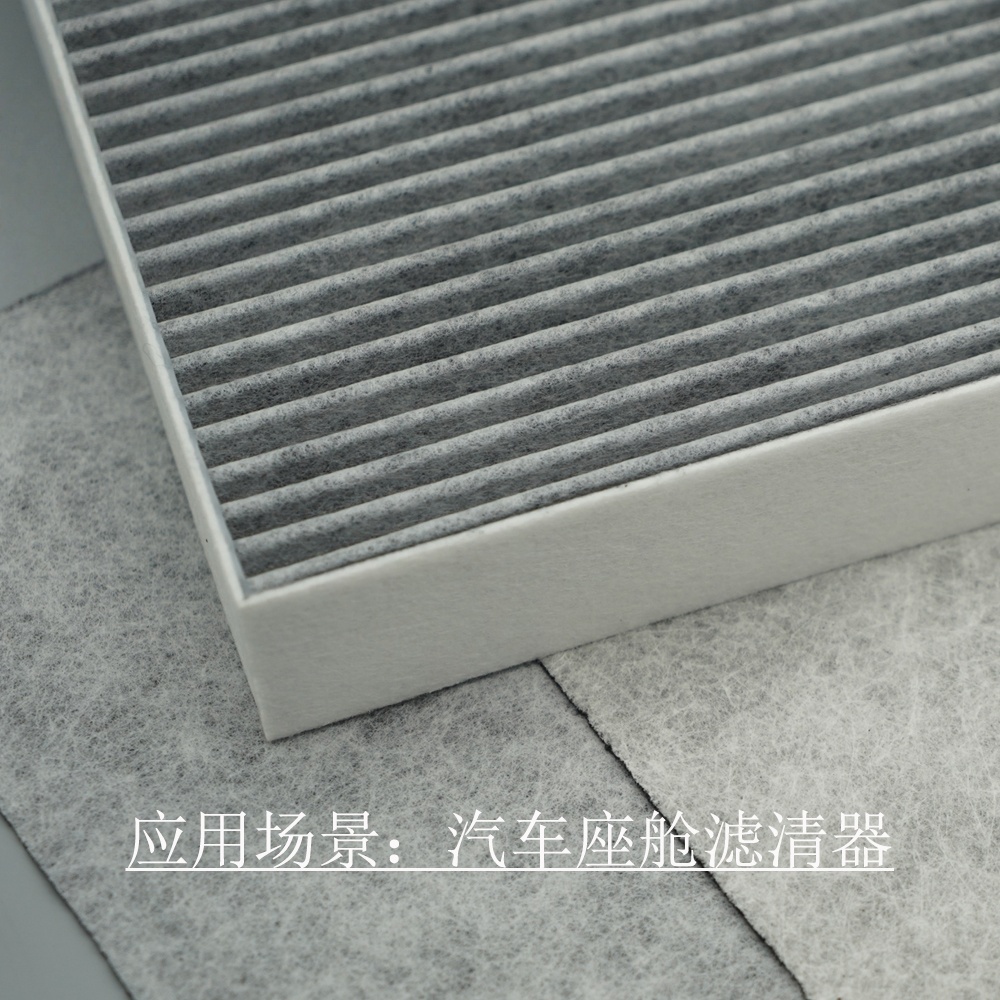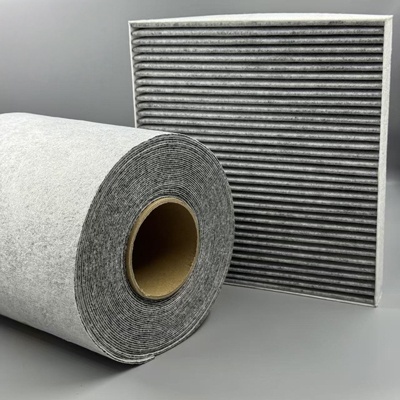

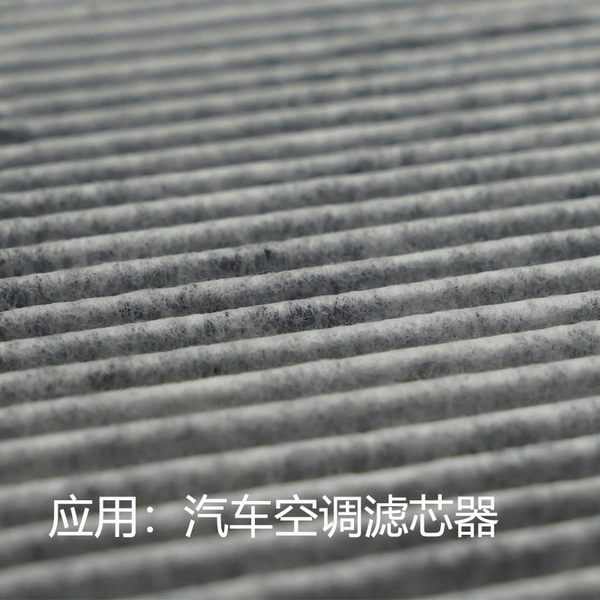



First paragraph (Core: Basic physical performance, laying a solid foundation for stable interception by the filter element)
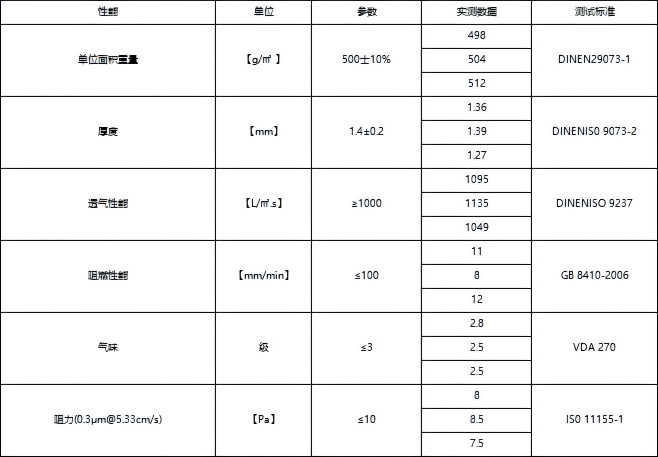
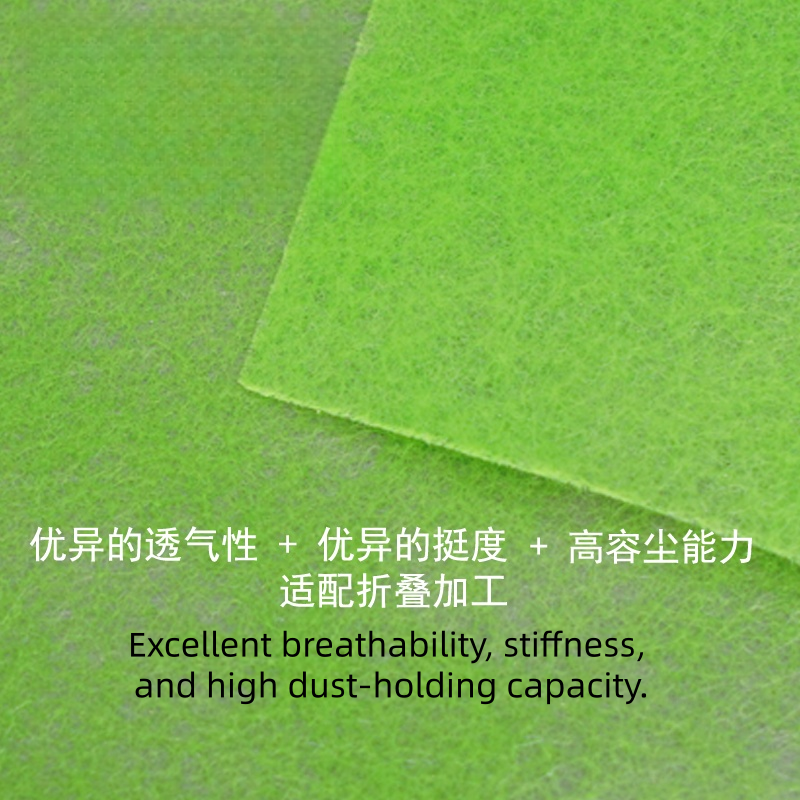
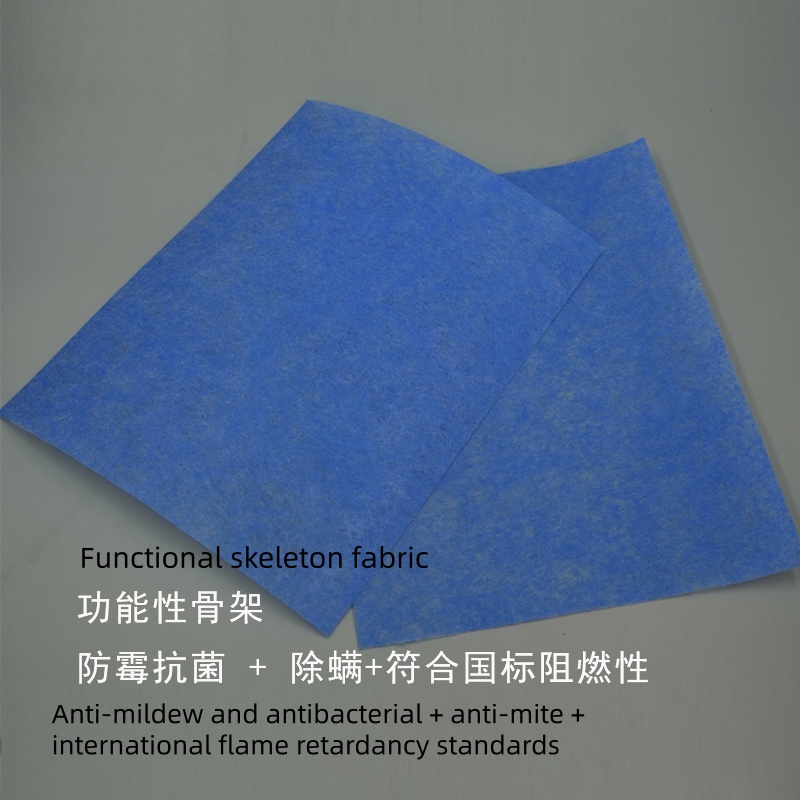
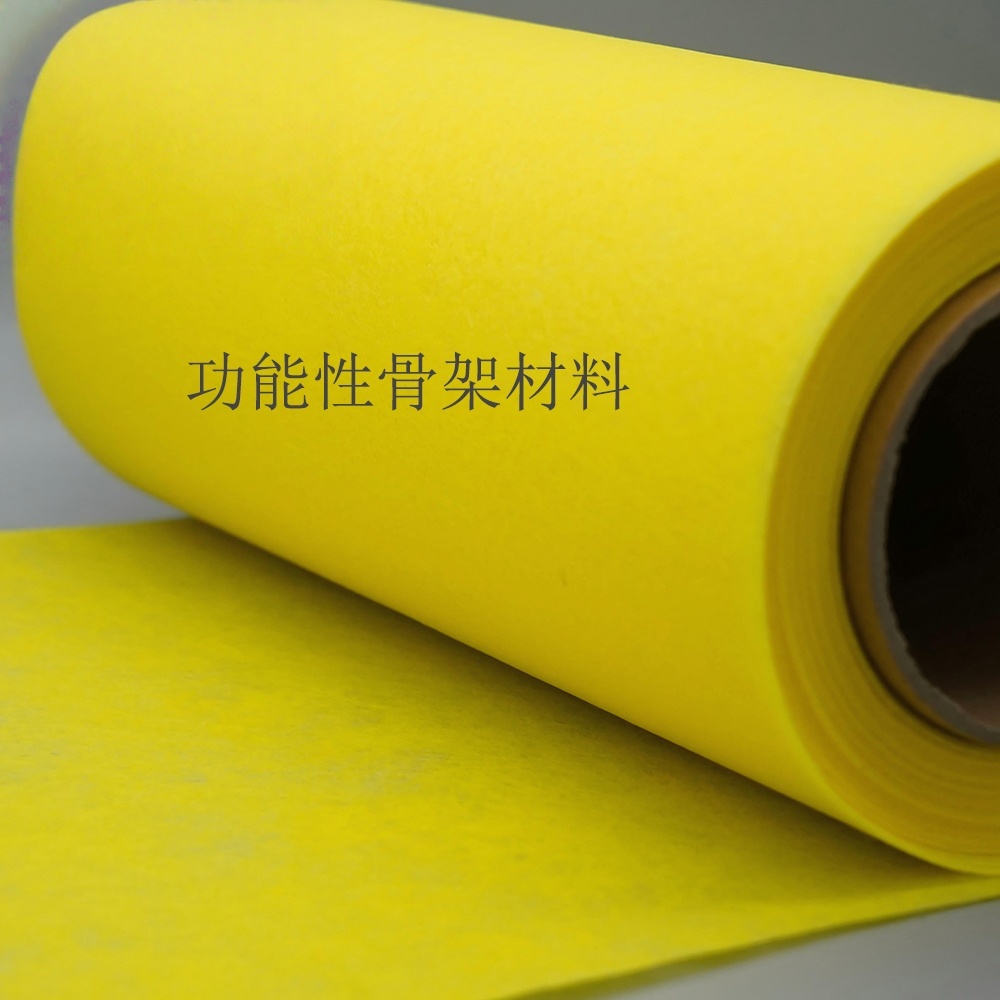
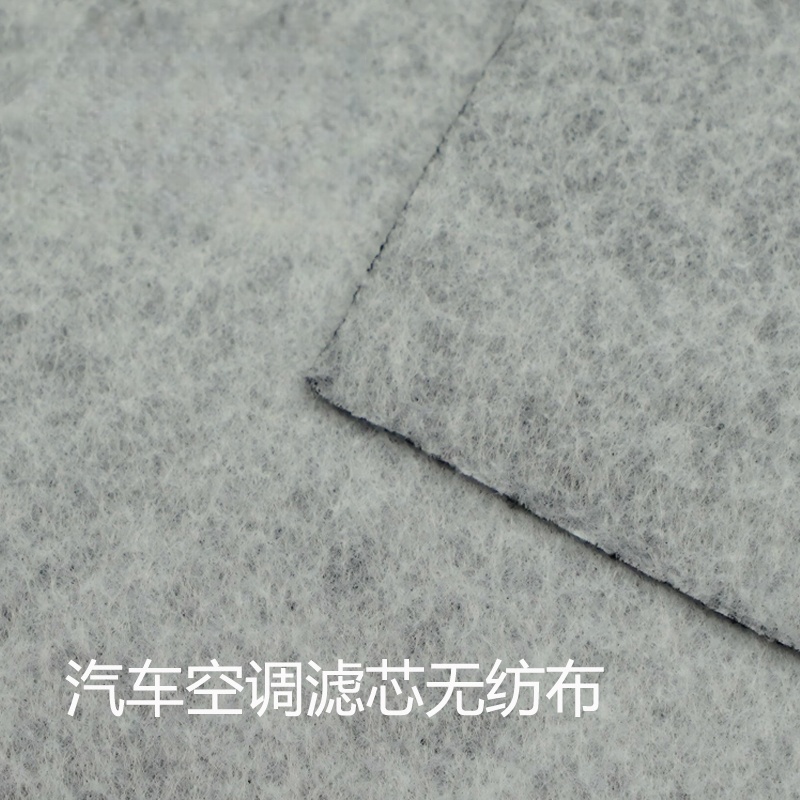
This PET material used in automotive activated carbon cabin air filters exhibits excellent basic physical properties. It meets the standard of 500±10% g/㎡ in weight per unit area and a thickness of 1.4±0.2 mm. During vehicle operation, complex road conditions and airflow environments are encountered. For example, when passing through areas with heavy sandstorms, the airflow carries particles such as mud and sand that impact the filter. This material, with its stable physical form, is not easily damaged or deformed, providing reliable support for the overall structural stability of the filter. This is the fundamental guarantee for effectively intercepting particles such as mud, sand, and leaves, ensuring that the filter maintains good structural integrity under various operating conditions, thus continuously fulfilling its interception function.
Customized materials: All performance parameters, efficiency parameters, weight, thickness and other indicators of the materials can be customized as needed.
The second section (core: breathability and flame retardancy, balancing airflow and safety of use)
With an air permeability of ≥1000 L/m²·S, this PET material allows air to pass through smoothly, ensuring the smooth flow of air from the car's air conditioning system and enabling timely air circulation and coarse filtration within the vehicle. Even when intercepting larger particles such as mud, sand, and leaves, it allows air to pass through efficiently, achieving a good balance between air circulation efficiency and coarse interception effect. This ensures timely air renewal within the vehicle while effectively preventing larger impurities from entering the air conditioning system. With a flame retardancy of ≤100 mm/min, it effectively slows the spread of flames. As a mobile enclosed space, a flammable air conditioning filter in a car can easily accelerate the spread of fire in the event of an accident (such as a fire caused by a short circuit). The flame retardancy of this material buys valuable escape or rescue time for occupants, greatly improving the safety of the car's air conditioning filter during use and adding an important line of defense for the lives of those inside the vehicle.
The third section (Core: Odor and drag control, optimizing the driving experience)
With an odor level of ≤3, the material avoids emitting pungent or unpleasant smells. The relatively enclosed space inside a car means that an odor from the filter can severely impact the sensory experience of passengers, potentially causing dizziness, nausea, and other discomfort. The low-odor characteristic of this material creates a fresh and comfortable environment inside the vehicle, making the driving experience more pleasant. A resistance level of ≤10 Pa means that air encounters minimal resistance when passing through this PET material, minimizing its impact on the efficiency of the car's air conditioning system. When the car's air conditioning is running, passengers can immediately feel the airflow, while the filter provides ample air circulation for its filtering function, further optimizing the air conditioning experience during driving.
The fourth section (core: adapting to automotive scenarios, efficient and coarse-grained blocking)
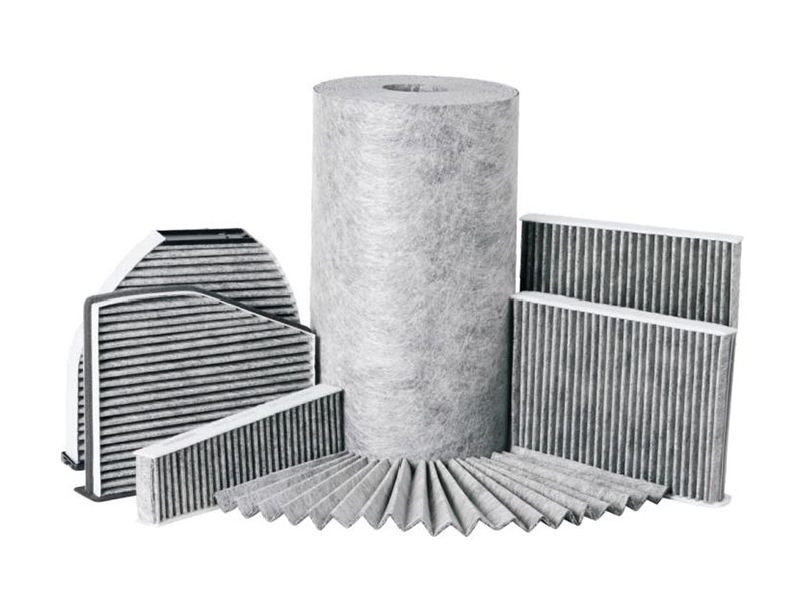
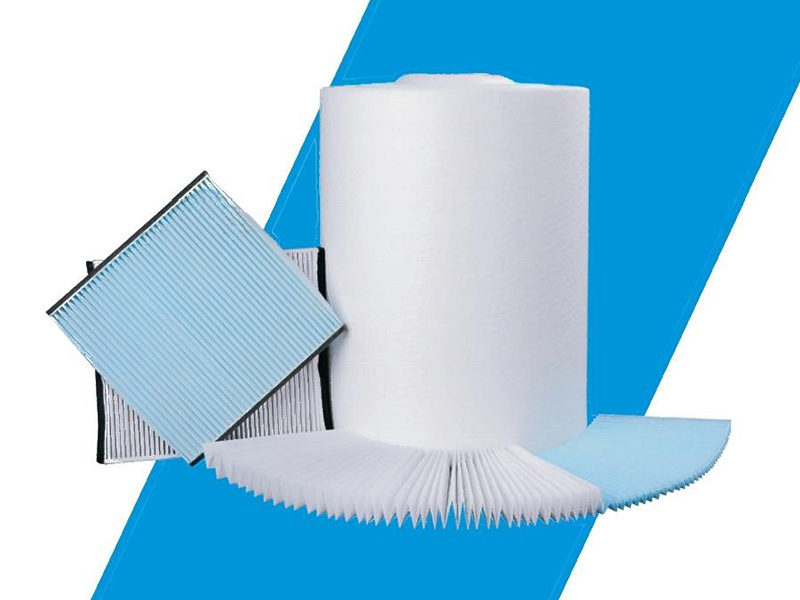
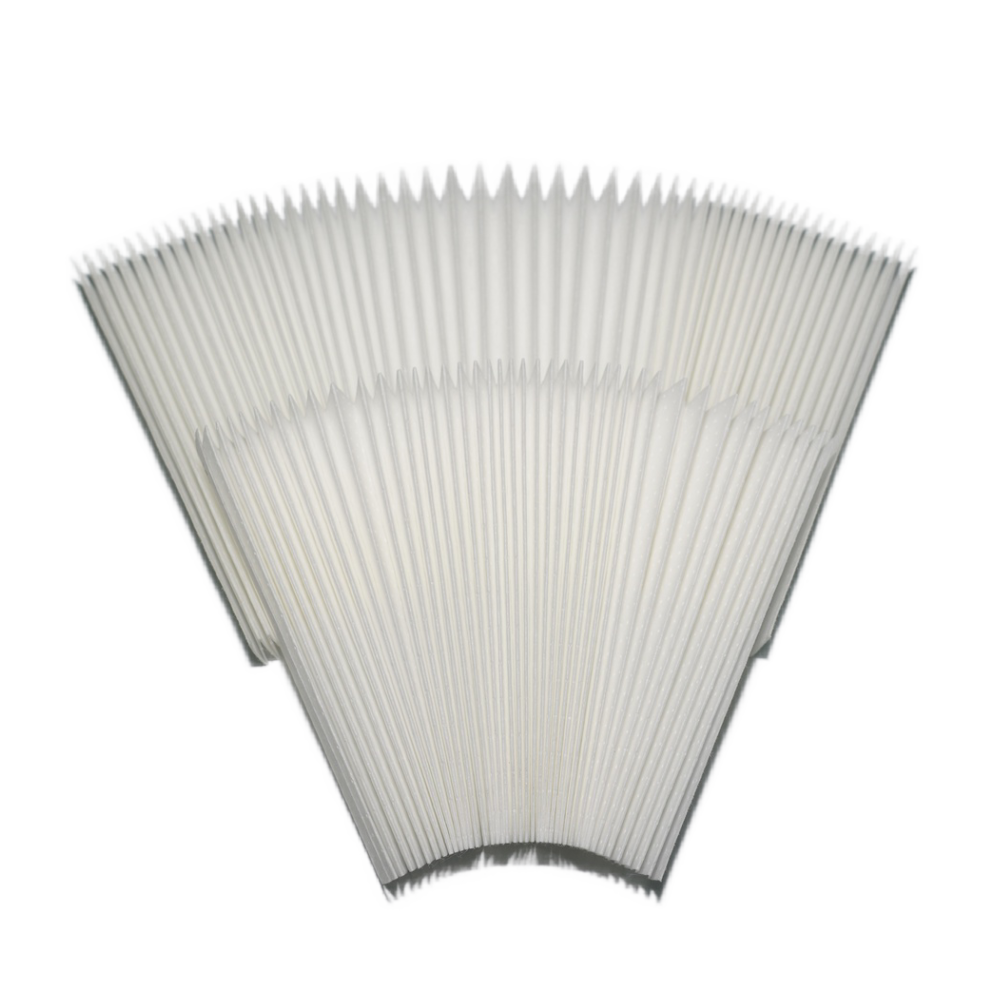
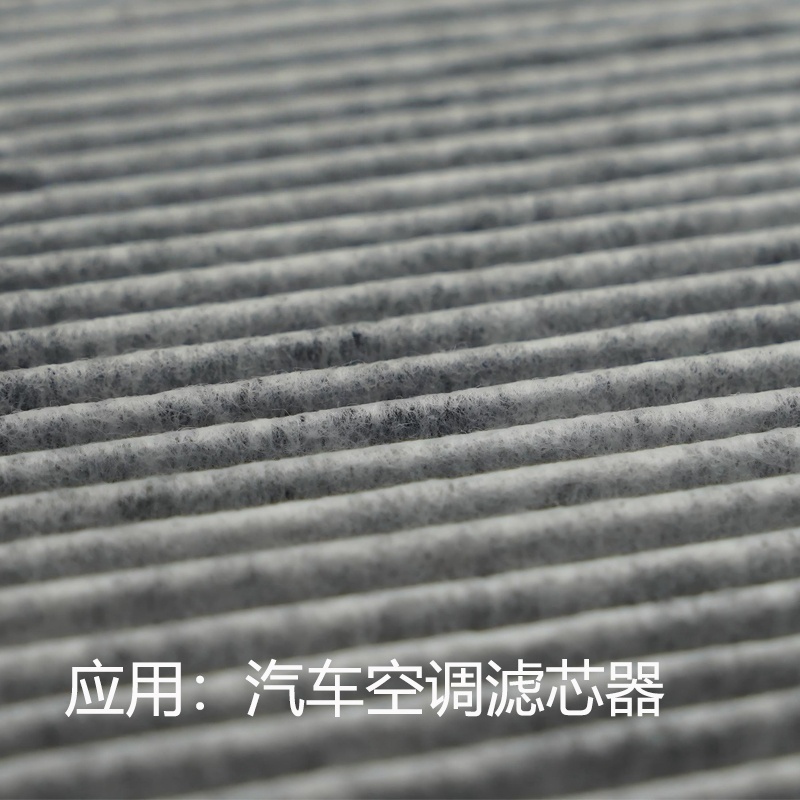
Considering the above properties, this PET material is highly suitable for the application scenarios of automotive activated carbon cabin air filters. Its stable basic physical properties ensure the structural integrity of the filter under complex operating conditions; its excellent air permeability and reasonable resistance control achieve a balance between efficient airflow and effective air interception; its low odor enhances the driving experience; and its flame-retardant properties improve safety. During vehicle operation, whether traversing dusty roads or encountering air environments containing debris such as leaves, filters made from this material can effectively block larger particles like sand and leaves, preventing them from entering the vehicle's air conditioning system and damaging its components. Simultaneously, it can improve the cleanliness of the air inside the vehicle to a certain extent, creating a more comfortable riding environment for passengers.